Grocery Store Loyalty Programs: Real Rewards vs. the Illusion of Savings
Robert Kim
07/11/2026
4 min read
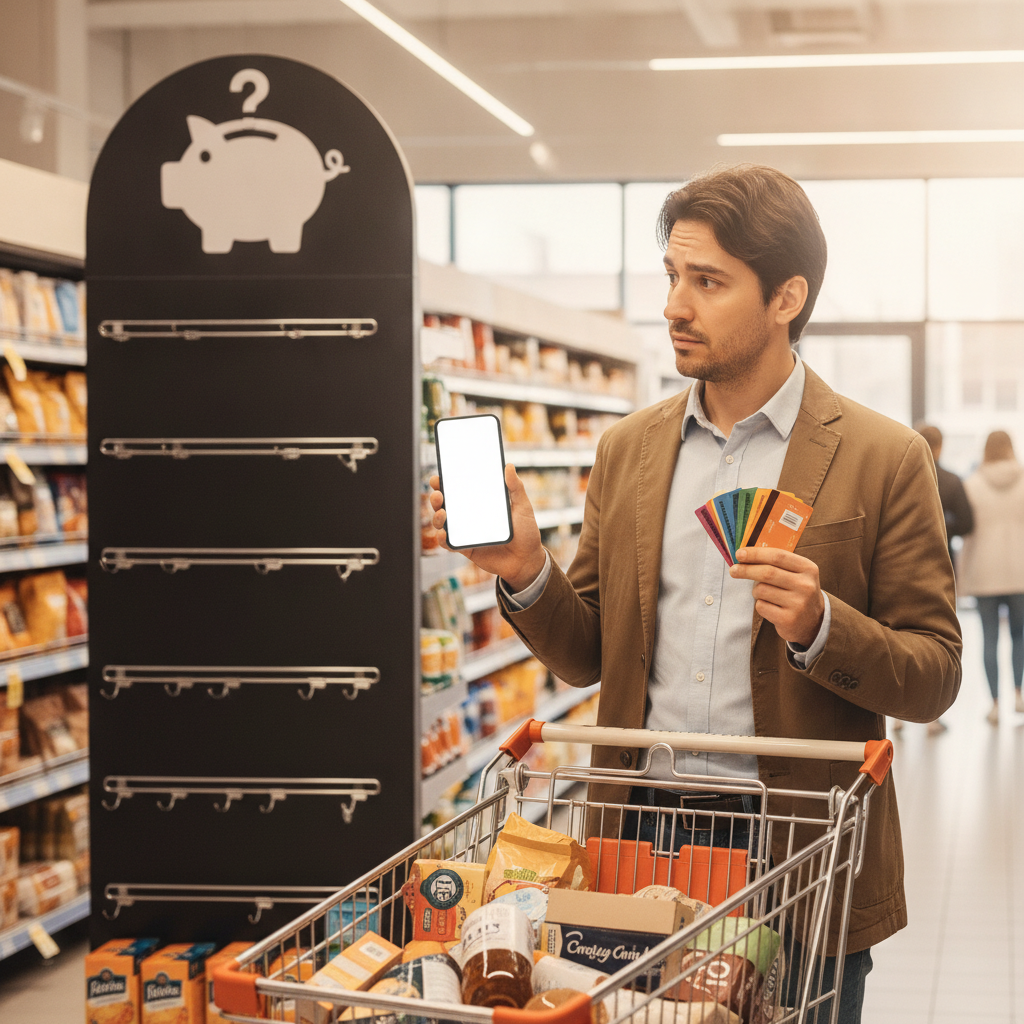
Grocery store loyalty programs are one of retail's most effective psychological tools, and understanding how they actually work can mean the difference between genuine savings and the feeling of savings. Programs from Kroger, Albertsons, Safeway, and Whole Foods Market have become nearly universal, but the mechanics behind them are more complicated than a simple points-for-purchases exchange. Shoppers who take a closer look tend to find that some benefits are tangible and repeatable, while others are designed more to influence behavior than to reward it.
How Points Systems Translate to Real Value
At their best, grocery loyalty programs convert everyday spending into modest but consistent returns. Kroger's rewards program, for instance, lets members accumulate fuel points that translate into genuine discounts at the pump — a benefit that compounds over time for households that drive regularly. The key word is consistency. Points that can be redeemed for things a shopper already buys or uses hold clear, measurable value. The trouble starts when programs tie redemption to specific high-margin product categories or partner offers that require spending more to access the reward.
The Personalized Discount That Isn't Always Personal
Many chains now promote personalized deals as a premium feature of their loyalty membership. Albertsons and its affiliated banners use algorithms to surface offers based on purchase history, which sounds useful. In practice, the discounts often skew toward products shoppers haven't bought before, premium-tier versions of items they already purchase, or packaged goods with higher markup built in. The personalization is real in a technical sense, but the selection of what gets discounted is still shaped by what benefits the retailer's margins, not exclusively what the shopper needs most.
When 'Member Pricing' Is Simply the Real Price
One of the most common tactics across grocery loyalty programs is the inflated non-member price. A store sets a product's listed price higher than what the market would typically support, then offers members a reduced price that lands right at or near the regular competitive rate. The shopper feels rewarded for scanning their card, but they've essentially paid market rate. This is particularly common with staple goods — proteins, dairy, and pantry staples — where price comparisons with other local stores reveal little actual advantage to the loyalty discount. The savings are real only if the base price was ever genuinely higher.
Where Fuel Rewards and Partner Offers Add Up
Fuel rewards represent one area where loyalty programs tend to deliver more transparently. Chains like Kroger and Stop & Shop have long-running partnerships with fuel stations that offer per-gallon discounts tied directly to grocery spend, and those reductions are straightforward to calculate and verify. Similarly, partnerships with pharmacy networks, where prescription spending contributes to grocery rewards or vice versa, can benefit households with ongoing medication costs. The value is clearest when the partner offer involves something the shopper was going to purchase anyway, making the reward purely incremental rather than requiring any change in behavior.
The Data Exchange Powering These Programs
Every swipe of a loyalty card is also a data transaction. Grocery retailers use purchase histories to build detailed household profiles that inform everything from shelf placement to targeted advertising sold to consumer packaged goods brands. Shoppers receive discounts; retailers receive behavioral data with significant commercial value. Neither side of this exchange is inherently problematic, but understanding it reframes the relationship. The program isn't simply a retailer giving back to loyal customers — it's a structured exchange where the shopper's data funds much of the reward system itself. Recognizing this helps calibrate how much goodwill to extend to the program's design.
How to Use These Programs Without Being Used by Them
The most effective approach is to treat your loyalty membership as one tool among several rather than a primary savings strategy. Before accepting a member price as a deal, compare it against prices at a nearby competitor or use a grocery price-tracking app to see how it benchmarks. Prioritize redeeming points for things you'd buy at full price — fuel, household staples, produce — and ignore offers that require increasing your basket size to unlock a reward. You should also check whether your program's points expire, since many do, quietly erasing balances that took months to build. Whole Foods' Amazon Prime integration, for example, offers consistent weekly deals that require no additional spending threshold, which makes those discounts among the cleaner benefits available through a loyalty channel.
Grocery loyalty programs are moving toward deeper personalization and tighter integration with digital wallets and subscription services — a shift that will make the rewards feel more relevant but also harder to evaluate at a glance. Retailers are betting that convenience and familiarity will keep shoppers engaged without requiring close scrutiny of the actual value exchange. Shoppers who maintain that scrutiny, comparing real prices and focusing on redemptions tied to genuine needs, will continue to extract meaningful value. Those who treat the card scan as a substitute for comparison shopping may find that the savings feel bigger than they actually are.