How to Decode Furniture Store Sales Cycles and Buy at the Lowest Possible Price
Jennifer Walsh
06/30/2026
5 min read
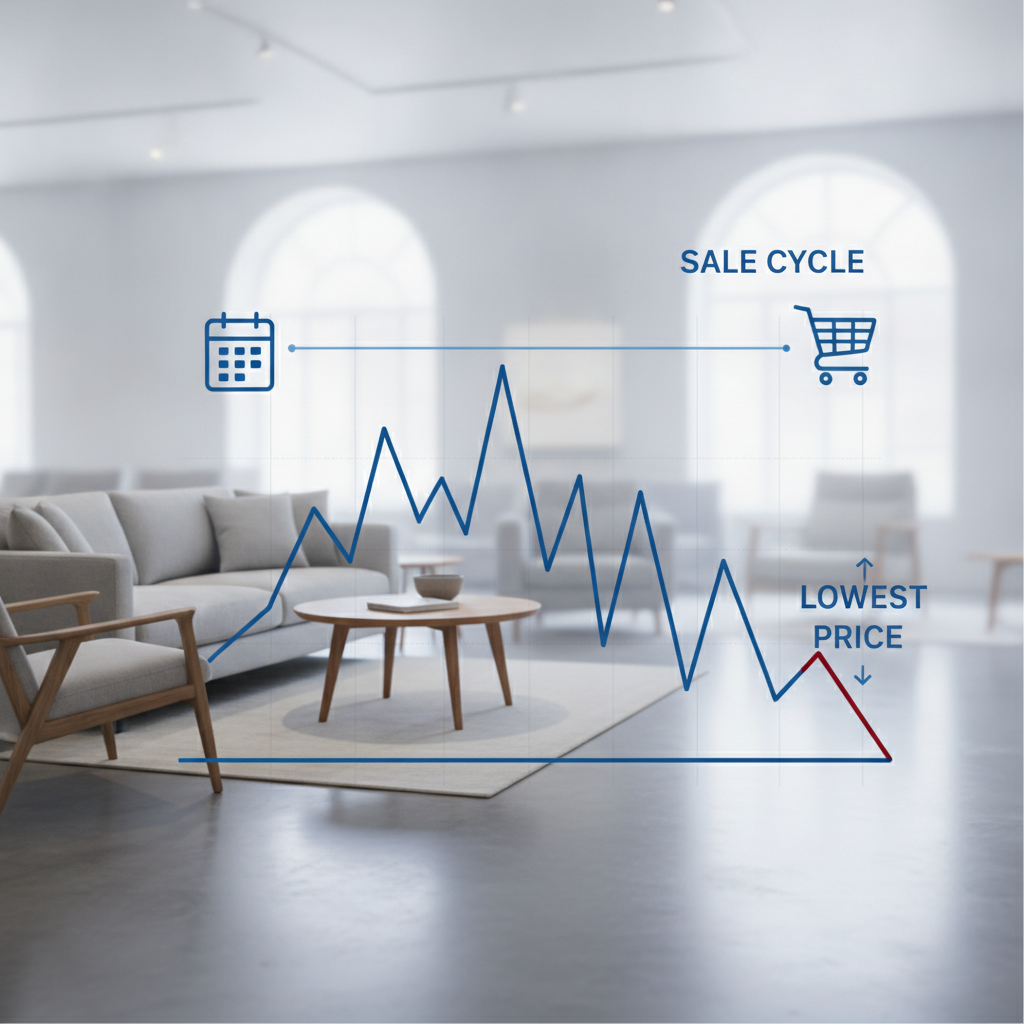
Furniture shopping has a way of making even the most patient people feel like they're playing a game with rules nobody explained to them. You walk into a store, fall in love with a sectional, and then spend the next three weeks wondering whether you should have waited for a sale — or whether that "sale" you saw was even real. The good news is that furniture pricing follows predictable patterns, and once you understand how those cycles work, you can stop guessing and start buying at genuinely good prices.
Learn When Retailers Reset Their Floor Models
Furniture stores rotate their showroom pieces on a fairly consistent schedule, and those transitions are where the real markdowns happen. Most major retailers — think Ashley Furniture, Pottery Barn, and West Elm — refresh their floor displays in January and July, right after the holiday push and ahead of mid-year inventory counts. When new collections come in, old floor models need to go, and stores would rather sell them at a steep discount than store them. If you ask a sales associate directly about upcoming floor model sales, most will tell you without hesitation.
Time Your Purchase Around Holiday Weekends
The furniture industry leans hard into holiday weekends, and not just the obvious ones. Memorial Day, Labor Day, and Presidents' Day are the three biggest furniture sale events of the year, and the discounts during these windows tend to be legitimate rather than manufactured. Black Friday has also become a strong period for furniture deals, particularly online. Planning around these dates — even if it means waiting six to eight weeks — can make a meaningful difference on larger purchases like dining sets or bedroom collections.
Understand the Difference Between Markdowns and Manufactured Prices
One of the trickier parts of furniture shopping is that some retailers inflate original prices to make sale prices look more dramatic than they are. A sofa listed at a "regular price" that nobody ever actually pays is a common tactic. To protect yourself, track the item you want on Google Shopping or use the Honey browser extension for a few weeks before buying. If the "sale" price has been the price all along, that's useful information. Real markdowns have a history — the price actually drops from a previous point.
Shop End-of-Season Clearance With Intention
Clearance sections deserve more attention than they usually get. Stores clear out spring and summer pieces in August and September, and fall and winter inventory moves in February and March. These aren't the same as holiday sales — clearance items are typically being discontinued, which means deeper cuts and less competition from other shoppers. IKEA, for example, posts its clearance inventory online by store location, so you can scout before you visit. Going in with a flexible list of what you need — rather than a specific item — gives you the best shot at landing a clearance gem.
Use Price Match Policies Strategically
Many furniture retailers offer price matching, and shoppers consistently underuse this tool. If you've spotted the same piece at a lower price at a competing store, bring that documentation with you or pull it up on your phone at the register. Retailers like Rooms To Go and local furniture chains are often willing to match — or even beat — a competitor's price to close a sale. This works particularly well during high-traffic sale periods when sales staff have more flexibility to negotiate. Always ask politely and come prepared with the competing listing clearly visible.
Don't Overlook the Secondary Market for Branded Pieces
Facebook Marketplace and Craigslist are genuinely underrated sources for high-quality furniture, especially in mid-to-large cities. People move, downsize, or simply change their minds about a piece they bought six months ago, and branded items from stores like Crate & Barrel or CB2 show up regularly at a fraction of retail. The trick is to search with specific terms — brand name plus item type — rather than browsing broadly. Being first to respond matters in competitive markets, so enabling notifications for saved searches is worth the setup time.
Wait Out the January Clearance Window
If the holidays have just passed and you can hold off a little longer, January is one of the strongest months for furniture deals. Retailers are clearing post-holiday overstock, and stores that brought in extra inventory for gifting season need to move it fast. This is especially true for accent furniture — mirrors, side tables, lamps, and rugs — where markdowns often run deeper than on big-ticket pieces. Combine a January clearance visit with a floor model inquiry, and you might find yourself layering two discount opportunities on a single trip.
Ask About Upcoming Sales Before You Buy
This one sounds almost too simple, but it works more often than not. Before completing any furniture purchase at full price, ask the sales associate whether a sale is coming up in the next two to three weeks. Many stores have planned promotions on the calendar and are not required to keep them secret. If a sale is around the corner, some associates will even flag your item or hold it so you can come back and buy at the lower price. It costs nothing to ask, and the answer could save you a significant amount on a high-ticket purchase.
Furniture pricing doesn't have to feel like a mystery. Once you start paying attention to when stores rotate inventory, which holidays actually trigger real discounts, and how to use tools like price tracking extensions and secondary markets, the whole process gets a lot less stressful. Pick one of these approaches to start with — maybe setting a price alert on something you've had your eye on — and build from there. You'll be surprised how quickly the picture comes into focus.