How to Spot a Genuine Clearance Sale Versus a Retailer Pricing Trick
Robert Kim
06/28/2026
5 min read
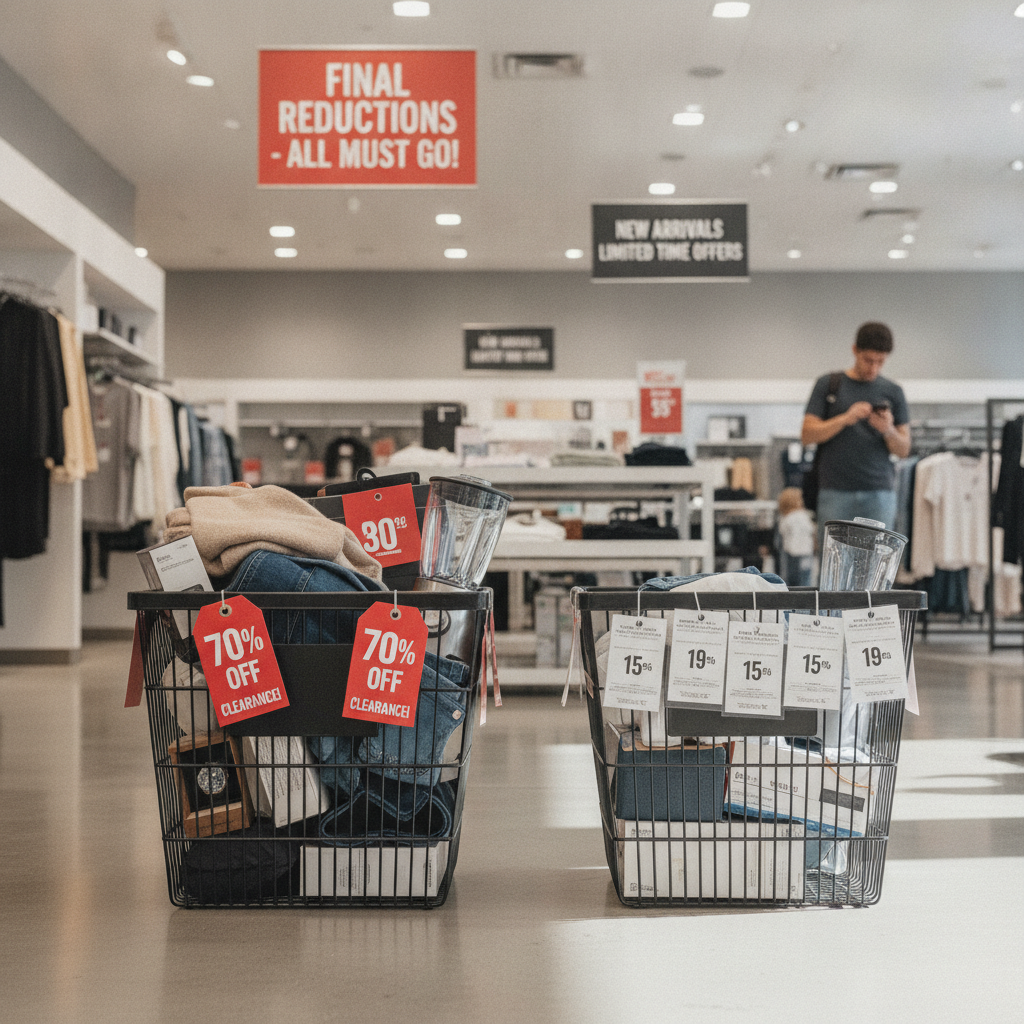
Clearance sales are supposed to be a good thing — a chance to grab real value before a retailer moves on. But somewhere along the way, the word "clearance" stopped meaning what it used to. Retailers figured out that shoppers respond to red tags and slashed prices almost automatically, and that's created a shopping environment where genuine markdowns sit right next to manufactured urgency. Learning to tell the difference doesn't require cynicism, just a sharper eye.
Check the Original Price Against Third-Party Listings
The "was" price on a clearance tag is only meaningful if it reflects what the item actually sold for. A common tactic is to set an inflated reference price that the product never realistically held, then slash it dramatically to manufacture the appearance of savings. Before getting excited about a markdown, check the product on Google Shopping, Amazon, or a price-tracking tool like CamelCamelCamel. If the "original" price is significantly higher than what any other retailer charges, the discount isn't as real as it looks.
Look for Signs the Stock Is Actually Being Cleared
A real clearance sale exists because a retailer needs to move inventory — discontinued products, end-of-season stock, overstocked items that didn't sell through. You can usually spot the signs. Genuine clearance sections tend to have broken size runs, older colorways, or last season's model numbers. If a clearance rack is fully stocked, neatly organized, and includes every size, that's a hint the pricing is more promotional than practical. Retailers like Target and Walmart do run genuine clearance rotations, but even they mix in items that are simply on a temporary promotional cycle.
Use a Price History Tool Before Buying
Price history is one of the most underused tools available to shoppers. Apps and browser extensions like Honey or Keepa track how a product's price has moved over time, which immediately exposes whether a "sale" price is actually the product's standard going rate. An item that's been listed at its so-called clearance price for months is not on clearance — it's just priced that way. If the history shows a genuine spike down from a consistently higher price, that's far more convincing evidence of a real deal.
Watch for Countdown Timers and Artificial Scarcity
Urgency is one of the oldest levers in retail. Flash sale timers, "only 3 left" warnings, and limited-time price displays are designed to push decisions before you have time to think them through. That pressure isn't always dishonest, but it's often exaggerated. Real clearance doesn't usually need a countdown — the inventory is already limited by nature. When you see a ticking clock on a product that's been sitting in the same "sale" for weeks, treat it as a signal to slow down rather than speed up.
Compare the Discount Across Similar Products in the Category
One useful reality check is to compare the discounted item against similar products at their regular price. If a clearance blender at a kitchenware retailer is still more expensive than a comparable model at Best Buy at full price, the "discount" hasn't actually created good value — it's just made an overpriced item seem more reasonable. Real clearance pricing tends to push items into bargain territory relative to the broader market, not just relative to their own inflated history. Genuine deals stand out even when you remove the percentage badge.
Pay Attention to Return Policy Changes During Sales
Some retailers quietly tighten their return policies on clearance or sale items, which shifts risk onto the buyer in a way that isn't always disclosed prominently. Final sale items with no return window carry more risk than a standard purchase, especially for clothing, electronics, or anything you can't easily evaluate in-store. Before completing a purchase, check the fine print on returns. A genuinely good clearance deal is still a good deal even with a shorter return window, but knowing the terms upfront prevents unpleasant surprises later.
Track Seasonal Sale Patterns to Know When Real Clearance Happens
Retail follows predictable rhythms, and knowing them makes it much easier to identify when prices are genuinely dropping versus when they're being dressed up as discounts. End-of-season clearance at clothing retailers typically happens in late January and late July. Electronics often see real price movement after major product launches, when older models need to be cleared. Home goods and furniture tend to drop meaningfully around holiday weekends. If a retailer is running a "clearance event" in the middle of a peak buying season, it warrants more scrutiny than the same sale would deserve in February.
Notice Whether the Sale Applies to Items You Actually Wanted
Another subtle trick is using clearance framing to move slow-selling inventory while the popular items remain at full price — or close to it. A store might advertise "up to 60% off clearance," but that top-end discount applies only to a handful of unpopular styles or outdated specs. The items most shoppers actually want are marked down modestly, if at all. It's worth approaching any sale with a list of what you need rather than letting the sale decide what you buy. When you start with a specific target, it's much easier to evaluate whether the price is actually good.
Spotting a genuine clearance deal is less about suspicion and more about developing a consistent habit of checking context. A little comparison shopping and a quick look at price history takes about two minutes and can save you from paying "sale" prices that aren't actually below market. Trust the data more than the tag, and the real deals become much easier to find.