The Case for One Meaningful Trip a Year Over Several Rushed Weekend Getaways
Robert Kim
07/12/2026
5 min read
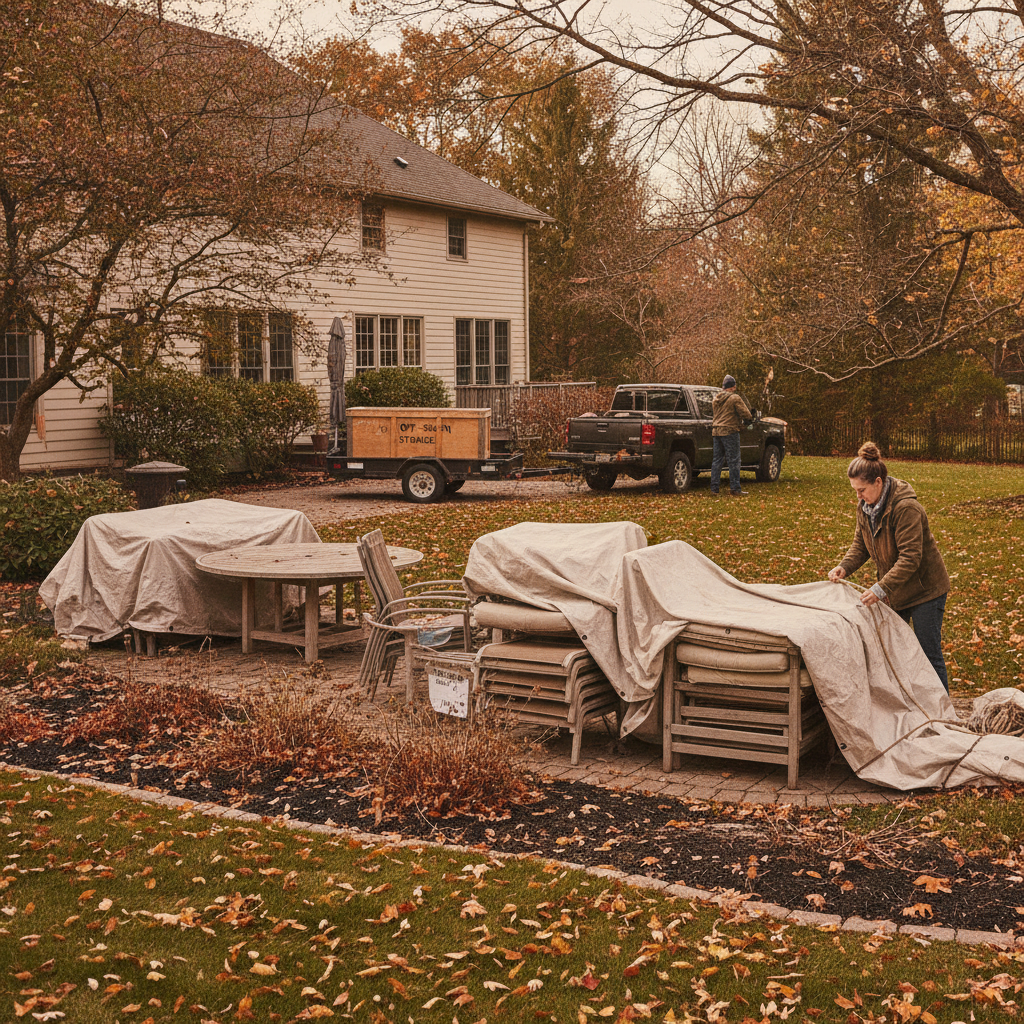
Most people return from weekend trips more tired than when they left. The logistics of packing, traveling, adjusting, and returning inside of 48 hours create a particular kind of fatigue that doesn't register as rest — it registers as effort. And yet the pattern persists, filling calendars with quick escapes that promise more than they deliver.
What Does a Rushed Trip Actually Cost You?
The economics of frequent short travel are rarely as favorable as they appear. Flights booked for peak weekend departures carry a premium, and the cost of hotels for Friday and Saturday nights tends to run higher than midweek equivalents. Beyond money, there's the cost of transition — the mental bandwidth consumed by packing lists, airport queues, and the disorientation of waking up somewhere unfamiliar with barely enough time to find good coffee before checkout. A traveler who takes three or four rushed weekend trips a year often spends more, in both currency and energy, than someone who plans one extended journey carefully.
How Does Depth Change the Travel Experience?
There is a concept in travel philosophy sometimes called saudade — a Portuguese word describing a deep emotional resonance with a place or experience that lingers long after the moment has passed. Short trips rarely produce it. When someone spends only a day and a half in Lisbon before flying home, the city barely has time to reveal itself. A longer stay, however, allows a place to become familiar in the way that actually matters: learning which market opens early, finding the neighborhood that doesn't appear in itineraries, understanding the pace of daily life rather than just photographing its surface.
Why Does Anticipation Have Real Value?
Looking forward to something meaningful is, on its own, a source of satisfaction. A single well-planned trip — say, two weeks in Kyoto or a road journey through the Azores — generates months of pleasurable anticipation. Reading about a destination, curating a loose itinerary, discovering small restaurants through forums like TripAdvisor or regional travel communities: all of this extends the experience well before the first bag is packed. That runway of excitement is largely absent from the weekend trip model, where planning often happens in a hurried week and the trip itself is over before the anticipation has fully developed.
How Does Slow Travel Shift Perspective?
Slow travel — a philosophy that prioritizes immersion over itinerary — has grown considerably as a counterpoint to the highlight-reel approach to tourism. Rather than seeing twelve cities in ten days, slow travelers might spend ten days in one city, or one region. This approach tends to surface experiences that rushed travel simply cannot: a conversation with a local shopkeeper in Oaxaca, an unplanned afternoon following a walking trail near Lake Bled, or the quiet revelation of understanding how a city moves on a Tuesday morning. These moments are the ones that tend to stay, reshaping how someone sees their ordinary life at home.
What Happens to the Body and Mind With Fewer Transitions?
Frequent short trips ask the body to adapt constantly — to new time zones, new sleep environments, new food, new water. The immune system registers this disruption. So does sleep quality, which rarely normalizes within a 48-hour window. A longer trip, by contrast, allows the body time to genuinely settle. After three or four days in one place, the nervous system begins to release the low-grade vigilance that travel triggers. Sleep improves, appetite stabilizes, and the traveler begins to experience something closer to genuine relaxation rather than managed discomfort. This physiological shift is the foundation on which real rest — and real perspective — becomes possible.
How Can One Trip Deliver Better Value Overall?
Consolidating travel into a single meaningful journey per year tends to produce better value across every measure. Airlines like Japan Airlines or Turkish Airlines offer more competitive pricing on longer international routes booked well in advance than they do on last-minute domestic weekend flights. Accommodation costs per night decrease significantly with extended stays, especially through platforms that reward weekly bookings. Travel insurance, often skipped for short trips, becomes more financially sensible for a journey worth protecting. And the intangible returns — the stories, the shift in perspective, the renewed appreciation for home — compound in a way that four disconnected weekends simply cannot replicate.
What Should You Look for in a Year's One Great Trip?
Choosing where to go matters less than choosing deliberately. A trip worth organizing your year around should have some element of genuine difference — a landscape you've never seen, a cultural context that stretches your assumptions, or a pace of life that contrasts meaningfully with your own. It doesn't need to be expensive or distant. A two-week slow journey through Portugal's Alentejo region or a long stay in a rented apartment in Mexico City can deliver the kind of depth that a twice-yearly dash to a beach resort cannot. The standard isn't novelty for its own sake — it's intentionality. Deciding that one journey deserves your full attention, your best planning, and your genuine presence changes what travel can give back.
The tiredness that follows a packed weekend away is a familiar feeling — the sense of having moved quickly through something rather than having actually been there. One carefully chosen trip, planned with patience and entered with openness, offers something different: the particular satisfaction of having gone somewhere and truly arrived.