Digital Wallets & Contactless Payments: Why Traveling Has Never Been Easier
Logan Webb
2026-01-26
6 min read
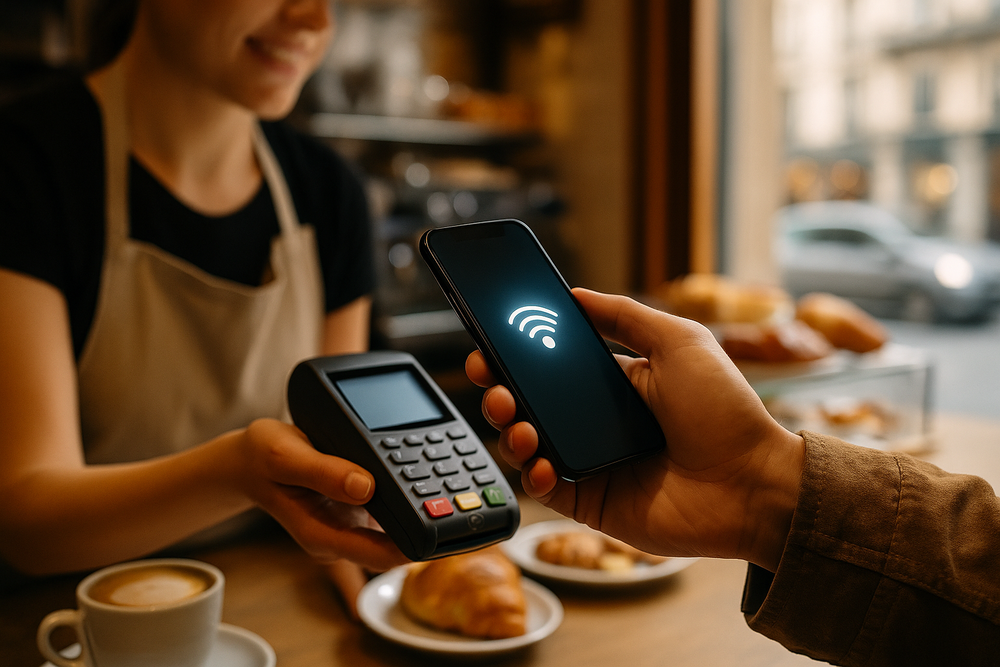
Traveling has always been associated with excitement, discovery, and a touch of unpredictability. But one aspect that travelers have historically found stressful is handling money abroad. Currency exchange, lost wallets, forgotten cards, and the constant worry about carrying cash have made financial management during trips cumbersome. Today, digital wallets and contactless payments are transforming the way people manage money on the go, making international travel smoother, safer, and far more convenient than ever before.
What Are Digital Wallets and Contactless Payments?
Digital wallets are apps or platforms that store your payment information securely on your smartphone, smartwatch, or other connected devices. They allow you to pay for goods and services without needing to physically carry a card or cash. Contactless payments are a subset of this technology, letting users tap a card, phone, or wearable device against a payment terminal to complete transactions instantly.
Popular platforms such as Apple Pay, Google Wallet, Samsung Pay, and PayPal, as well as regional equivalents like Alipay in China or Paytm in India, have become staples for tech-savvy travelers. These tools do more than just replace cash—they integrate seamlessly with apps, reward programs, and even budgeting systems, giving travelers more control over their finances than ever before.
Why Digital Wallets Are Perfect for Travelers
For anyone journeying abroad, digital wallets solve a host of problems that traditional payment methods often complicate.
Security Without Compromise
One of the primary benefits is enhanced security. When traveling, carrying large amounts of cash increases the risk of theft or loss. Digital wallets store payment information encrypted within your device and often require biometric authentication, such as facial recognition or fingerprint scanning, to authorize payments. Even if your device is lost or stolen, you can remotely lock your wallet, change passwords, or deactivate the device entirely, drastically reducing the risk of financial loss.
Ease of Currency Management
Traveling internationally often requires exchanging money or worrying about fluctuating currency rates. Many digital wallets automatically convert payments into the local currency, allowing you to make purchases as if you were using a local card. This eliminates the need to carry multiple currencies or rely on potentially costly exchange services. Additionally, some wallets provide real-time exchange rates, helping you make smarter spending decisions while avoiding hidden fees.
Quick Transactions and Less Hassle
Airport lines, hotel check-ins, and busy marketplaces often involve multiple payment stops. Contactless payments speed up transactions, letting travelers pay in seconds by tapping a device instead of fumbling for cash or cards. Restaurants, cafés, public transportation, and even small vendors increasingly accept contactless payments, enabling travelers to move quickly and focus on experiences rather than logistics.
Budget Tracking and Expense Management
Many digital wallets come equipped with built-in spending trackers, alerts, and reports. For travelers, this is a game-changer: you can instantly see how much you’ve spent on dining, transportation, or souvenirs without manually logging expenses. Some wallets even categorize spending automatically, giving you insight into where your money goes and helping maintain a budget. This reduces the risk of overspending and keeps financial planning simple, even when away from home.
The Rise of Contactless Payments Globally
Contactless technology has surged worldwide, accelerated by convenience and health concerns. Public transit systems in cities like London, Tokyo, and New York now accept tap-to-pay methods, allowing travelers to bypass ticket lines and save time. Retailers, cafes, and even street vendors increasingly accept contactless payments, and small businesses are adopting QR code-based transactions, especially in Asia and Europe.
For travelers, this widespread adoption means fewer interruptions and greater confidence that digital payment methods will be accepted almost anywhere. Combined with mobile banking and integrated travel apps, it’s now possible to plan a seamless, cashless journey from start to finish.
Digital Wallets and Rewards
Another benefit of digital wallets for travelers is access to exclusive rewards and loyalty programs. Many platforms offer points, cashback, or travel perks when using their payment system. For example, paying for rides, hotel bookings, or airline tickets through a digital wallet can automatically accrue miles or bonus points. This integration turns everyday travel expenses into additional value, a perk that physical cash or traditional cards rarely provide.
Moreover, some wallets partner with travel apps and booking platforms, giving users early access to deals or bundled discounts. These features make digital wallets not just a tool for payment, but a comprehensive financial assistant during travel.
Tips for Using Digital Wallets While Traveling
While digital wallets make travel more convenient, there are a few best practices to ensure a smooth experience.
- Enable Offline Options: Some wallets allow you to store limited funds offline for areas with poor internet connectivity.
- Notify Your Bank: Inform your card provider that you’ll be traveling to avoid accidental declines on foreign transactions.
- Keep a Backup Payment Method: While digital wallets are widely accepted, having a small amount of cash or a secondary card can provide extra peace of mind.
- Use Strong Security: Enable two-factor authentication and biometric verification to protect your funds.
By combining these strategies with a digital wallet, travelers can confidently navigate unfamiliar cities, pay for experiences quickly, and focus on enjoying the journey instead of worrying about cash or card security.
The Future of Travel Payments
Digital wallets and contactless payments are just the beginning. Emerging technologies like blockchain-based payments, cryptocurrency, and biometric verification are poised to further streamline the travel experience. Imagine booking flights, hotels, and dining experiences all through a single, secure device, with instant currency conversion and rewards automatically applied. The friction of managing money while abroad is rapidly disappearing, making travel more accessible, efficient, and stress-free than ever.
Digital wallets and contactless payments have revolutionized the way people travel. By enhancing security, simplifying currency management, speeding up transactions, and integrating rewards programs, they eliminate much of the financial stress traditionally associated with travel. Travelers can focus on discovering new destinations, connecting with local culture, and enjoying experiences instead of worrying about cash, lost cards, or complex conversions.
From bustling urban centers to remote getaway spots, the technology supporting modern travel ensures that paying for goods and services is effortless, reliable, and increasingly universal. For anyone planning a trip in 2026 or beyond, mastering digital wallets and contactless payments is no longer optional—it’s a travel essential that makes every journey smoother, safer, and more enjoyable.
More Trending Articles

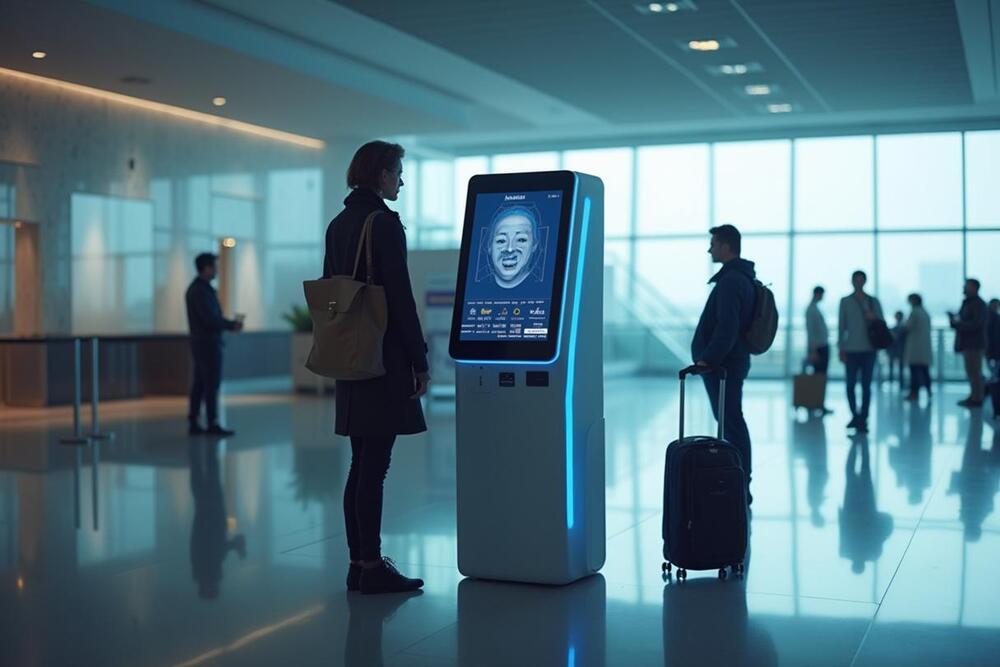
Smart Airports: The Rise of Biometric Check-In and Automated Border Control
Harrison Green
2026-02-01