Mediterranean Balance: How Daily Routines Focus on Food, Family, and Rest
Owen Clarke
2026-02-04
6 min read
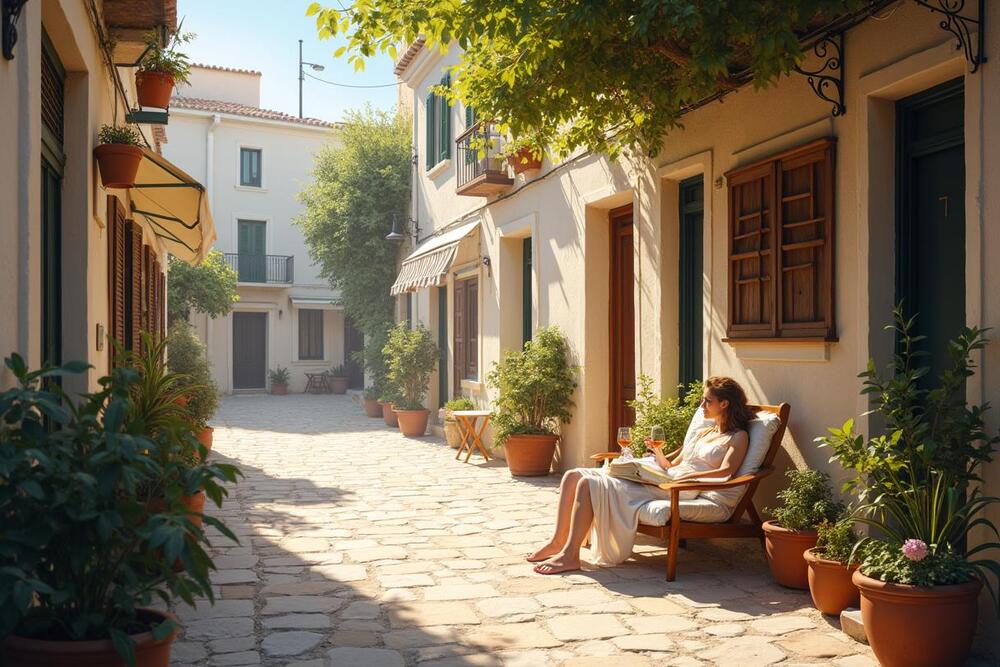
The Mediterranean lifestyle has long captured global attention for its combination of longevity, vitality, and overall well-being. From sun-drenched coasts of Italy, Greece, and Spain to the olive groves of southern France, daily life in this region seems to follow a rhythm that many of us could learn from. Unlike the fast-paced routines common in many urban centers around the world, Mediterranean culture prioritizes balance, savoring moments, and building connections—especially around three pillars: food, family, and rest.
Understanding how these elements intersect in daily routines can offer practical lessons for anyone seeking a healthier, more grounded approach to life.
The Central Role of Food
Food in Mediterranean cultures is more than sustenance; it is a cornerstone of daily life, social interaction, and personal wellness. Meals are prepared from fresh, locally sourced ingredients, often including vegetables, fruits, legumes, olive oil, whole grains, and lean proteins like fish. Processed foods are minimal, and seasonality dictates what appears on the table, creating a natural rhythm and variety in diets.
Unlike hurried meals common in other cultures, Mediterranean eating emphasizes slow, mindful dining. Breakfast may be light, often consisting of fresh bread, yogurt, or fruit, while lunch is typically the main meal of the day. Here, families gather at the table, sharing dishes, conversation, and stories. Dinner is lighter and enjoyed later in the evening, often accompanied by a glass of wine or herbal tea. This rhythm not only nourishes the body but also reinforces social bonds.
Cooking itself is seen as a pleasurable and meditative practice. In many households, multiple generations participate in meal preparation, creating a sense of community and shared responsibility. Even solo meals are savored mindfully, reflecting a deep respect for the ingredients and effort involved.
Family and Social Connections
In Mediterranean societies, family life forms the backbone of daily routines. Unlike cultures where independence and speed often dominate, Mediterranean life emphasizes relationships, community, and intergenerational support. Children grow up experiencing extended family networks, and adults maintain close ties to parents, siblings, and neighbors well into adulthood.
This focus on family extends beyond the household. Social interactions, casual gatherings in local squares, and coffee or wine breaks with friends are integral to the day. These moments allow individuals to pause, share experiences, and maintain a sense of belonging. Research has shown that strong social connections are closely linked to reduced stress, improved emotional resilience, and longer life expectancy—outcomes that seem woven into the fabric of Mediterranean daily life.
Even routine activities, like shopping at local markets or attending festivals, become opportunities to strengthen social bonds. The pace is slower, and interactions are genuine, fostering community cohesion and reducing feelings of isolation that can arise in faster-paced environments.

Prioritizing Rest and a Slower Pace
Rest is not an afterthought in Mediterranean routines—it is a necessity. While modern life in urban areas often prioritizes productivity at all costs, Mediterranean cultures recognize the importance of downtime for mental and physical health. One of the most iconic examples is the siesta, a mid-afternoon break common in southern Spain, Italy, and Greece. Though the practice is less universal today, the underlying principle—pausing to recharge during the day—remains deeply ingrained.
Even without formal naps, the pace of life is naturally slower. Mornings are relaxed, work breaks are longer, and evenings are reserved for leisurely walks, socializing, or quiet reflection. Weekends and holidays are treated as opportunities to reconnect with family, explore nature, or simply rest. This intentional pacing reduces chronic stress and promotes mindfulness in daily activities.
Sleep routines are also consistent. Mediterranean households often encourage early-to-bed habits paired with later but lighter dinners, allowing the body to rest fully while maintaining social cohesion. The integration of natural rhythms, sunlight, and physical activity in everyday life further supports healthy sleep and overall vitality.
Integrating Lifestyle Principles Into Modern Life
Adopting a Mediterranean balance doesn’t require relocating to the Mediterranean Sea. Many aspects of this lifestyle can be incorporated into modern living:
- Mindful eating: Prioritize fresh, seasonal ingredients. Slow down, savor meals, and consider cooking as a creative, enjoyable activity rather than a chore.
- Family and social time: Make space for meaningful interactions daily, whether through shared meals, phone calls with loved ones, or neighborhood walks.
- Intentional rest: Schedule short breaks during the day, avoid overcommitting, and create evening routines that prioritize sleep and relaxation.
- Connection with nature: Whenever possible, walk outside, enjoy outdoor spaces, or bring natural elements indoors to reinforce the connection with the environment.
These habits not only enhance physical health but also foster emotional resilience and overall life satisfaction. By integrating small Mediterranean-inspired routines, even in a fast-paced urban environment, individuals can cultivate a sense of balance and fulfillment.
5. Health and Longevity Benefits
Scientific research consistently highlights the Mediterranean lifestyle as a model for healthy living. Its diet supports cardiovascular health, weight management, and metabolic balance. Social cohesion contributes to mental health and stress reduction, while deliberate rest periods improve cognitive function and reduce burnout. In combination, these factors help explain why Mediterranean populations often enjoy longer lifespans and higher quality of life compared to many other regions.
The lessons extend beyond physical health; adopting these principles promotes emotional well-being, stronger relationships, and a more mindful approach to daily life. Essentially, the Mediterranean balance is a holistic lifestyle where each element—food, family, and rest—reinforces the others.
The Mediterranean lifestyle is a timeless blueprint for living well. By valuing food as nourishment and a social experience, prioritizing family and community bonds, and embracing intentional rest, individuals cultivate a rhythm that fosters health, happiness, and longevity. In a world that increasingly prizes speed and productivity, this approach offers a refreshing reminder: life is best enjoyed when it is savored, not rushed.
More Trending Articles


Smart Airports: The Rise of Biometric Check-In and Automated Border Control
Scarlett Brooks
2026-02-01