Smart Airports: The Rise of Biometric Check-In and Automated Border Control
Jackson Pierce
2026-02-01
6 min read
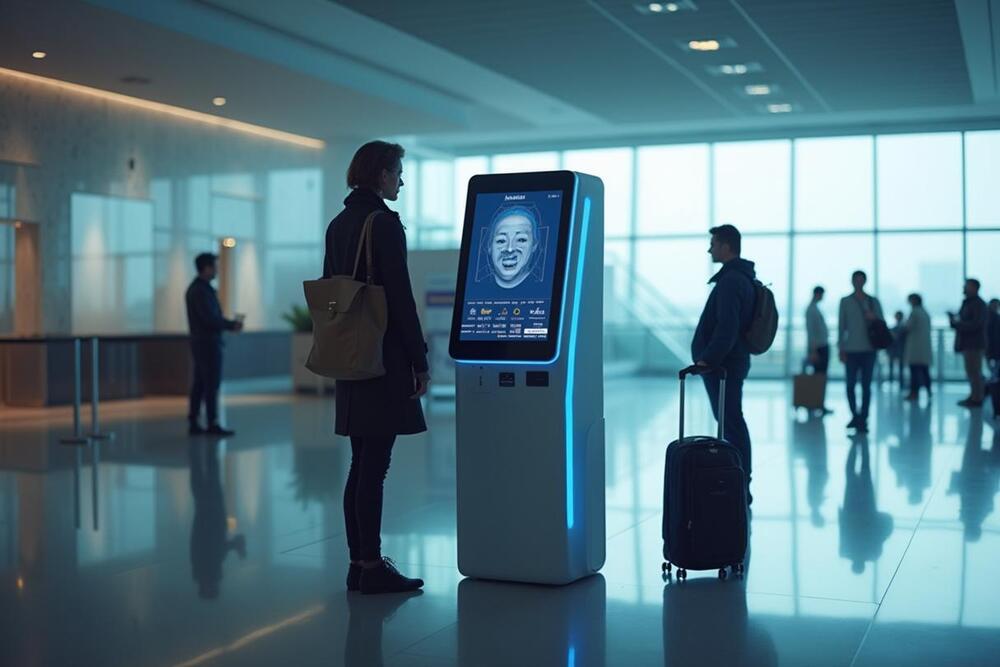
Air travel has always been associated with long lines, confusing procedures, and the stress of meeting tight schedules. In recent years, however, a quiet revolution has been reshaping the airport experience: the rise of smart airports. Central to this transformation are biometric check-ins and automated border control systems, which promise to make air travel faster, safer, and more seamless for passengers around the world.
The concept of a smart airport goes beyond flashy design or modern lounges. It incorporates advanced technology at every touchpoint, from ticketing and security to baggage handling and immigration. Biometric technology—using facial recognition, fingerprints, or iris scans—has emerged as a cornerstone of this evolution. These systems streamline processes while enhancing security, and they are increasingly being adopted by airports in Asia, Europe, the Middle East, and the Americas.
Biometric Check-In: Convenience Meets Security
Traditionally, check-in required showing a passport, printing boarding passes, and sometimes standing in long lines to speak with airline personnel. Biometric check-in systems now allow travelers to verify their identity using just their face or fingerprint. For example, airports such as Singapore Changi, Dubai International, and London Heathrow have deployed self-service kiosks equipped with facial recognition cameras. Once a passenger’s identity is verified, boarding passes and baggage tags are issued automatically.
The benefits of biometric check-in are twofold. First, it significantly reduces the time passengers spend at the airport, allowing for smoother movement through often crowded terminals. Second, it enhances security by reducing the risk of identity fraud. Airlines and border authorities can verify that the individual traveling is the same person listed on travel documents, minimizing potential risks without slowing down the process.
Moreover, biometric check-in systems integrate seamlessly with mobile boarding passes. Many airlines now allow passengers to enroll their biometric data via mobile apps before arriving at the airport, so the moment they step into the terminal, they can move quickly from check-in to security to boarding. This kind of end-to-end integration reduces friction and creates a more personalized travel experience.
Automated Border Control: Rethinking Immigration
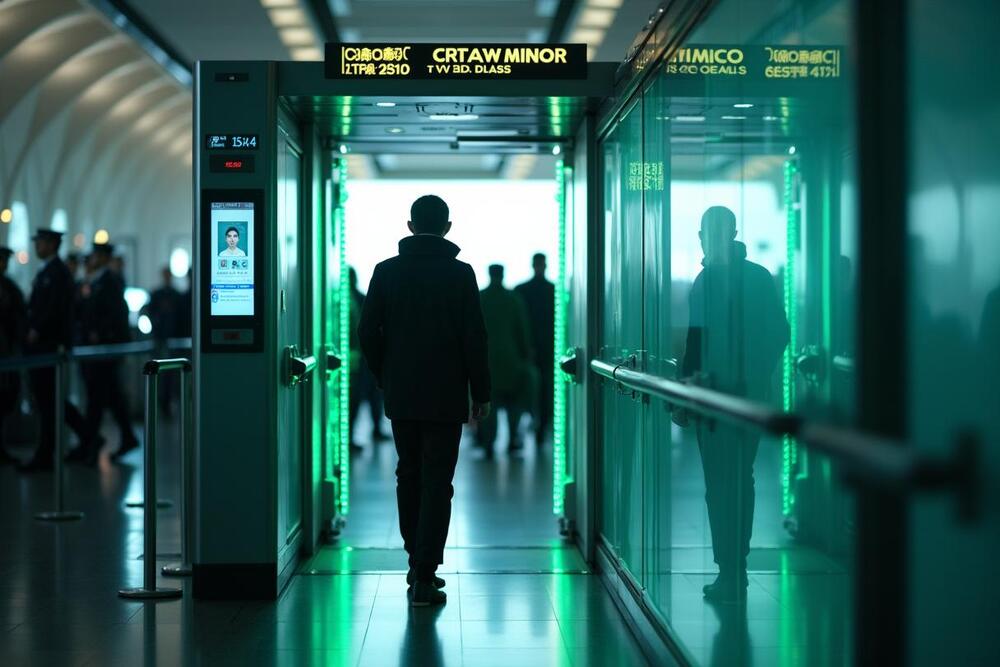
After check-in, travelers face one of the most time-consuming parts of the airport experience: border control. Automated Border Control (ABC) gates, which utilize biometric identification, are becoming increasingly common at major international airports. These gates scan passports and match facial recognition data, allowing travelers to move through immigration without interacting with a human officer for routine verification.
Airports like Hong Kong International, Amsterdam Schiphol, and Los Angeles International have implemented ABC systems to accelerate passenger flow. The technology is particularly beneficial during peak travel periods, when long queues can cause stress and delays. With automated gates, airports can process hundreds of passengers per hour with greater accuracy than traditional methods.
In addition to speed, automated border control systems offer enhanced safety. Biometric data provides a reliable way to confirm identities and prevent fraudulent travel. When combined with advanced algorithms, these systems can flag discrepancies, detect altered documents, and identify individuals on watchlists, all while maintaining a smooth passenger experience.
Passenger Privacy and Data Security
While the advantages of biometric technology are clear, they also raise questions about privacy and data security. Airports and airlines must adhere to strict regulations to ensure that personal data is handled responsibly. Many institutions store biometric data temporarily and use encryption protocols to prevent unauthorized access. Transparency is crucial; travelers are often informed about how their data will be used, stored, and protected.
Some airports have implemented opt-in programs, allowing passengers to choose whether they want to use biometric services. This approach balances technological innovation with individual comfort and consent, building trust between travelers and service providers.
The Impact on Airport Operations
The adoption of biometric check-in and automated border control has a ripple effect on airport operations. Faster processing times mean fewer bottlenecks at key touchpoints, allowing airports to manage larger volumes of travelers efficiently. Staff can be redeployed from routine checks to customer service roles, improving the overall experience.
Moreover, the data collected through these systems allows airports to analyze passenger flows, optimize terminal layouts, and anticipate peak periods. This data-driven approach not only improves operational efficiency but also supports better resource allocation, from staffing to baggage handling to security screening.
Looking Ahead: The Future of Smart Airports
The trend toward smart airports is expected to continue accelerating. Future developments may include fully integrated biometric systems that connect check-in, security, retail, lounge access, and boarding into one seamless journey. Artificial intelligence may be used to predict passenger needs, offer personalized services, and even adjust terminal environments based on real-time conditions.
Airports are also exploring the integration of mobile biometrics and wearable technology. Imagine a traveler wearing a smartwatch that authenticates their identity at every checkpoint, reducing the need for passports, boarding passes, or even luggage tags. In this vision, air travel becomes less about standing in lines and more about movement, comfort, and efficiency.
Biometric check-in and automated border control are not just convenient innovations—they represent a fundamental shift in how we experience air travel. By combining speed, accuracy, and enhanced security, smart airports make it possible for travelers to move through terminals with minimal friction while maintaining high safety standards. As technology continues to evolve, these systems will likely become standard, creating an airport experience that is as efficient as it is sophisticated.
For travelers, embracing these advancements means less time waiting and more time enjoying the journey itself, whether exploring a new city, connecting with loved ones, or simply appreciating the ease of a smooth, modern airport experience.
More Trending Articles


Smart Airports: The Rise of Biometric Check-In and Automated Border Control
Georgia Hayes
2026-02-01