How Augmented Reality Is Enhancing Sightseeing and Museum Experiences
Logan Webb
2026-01-30
6 min read
The way we explore the world is changing at a pace few could have predicted just a decade ago. While smartphones and digital guides revolutionized travel, augmented reality (AR) is taking sightseeing and museum experiences to an entirely new level. By blending digital content with the physical world, AR allows travelers and museum-goers to interact with their surroundings in immersive, educational, and entertaining ways. The technology not only adds depth to what we see but also transforms how we understand history, art, and culture.
Redefining the Sightseeing Experience
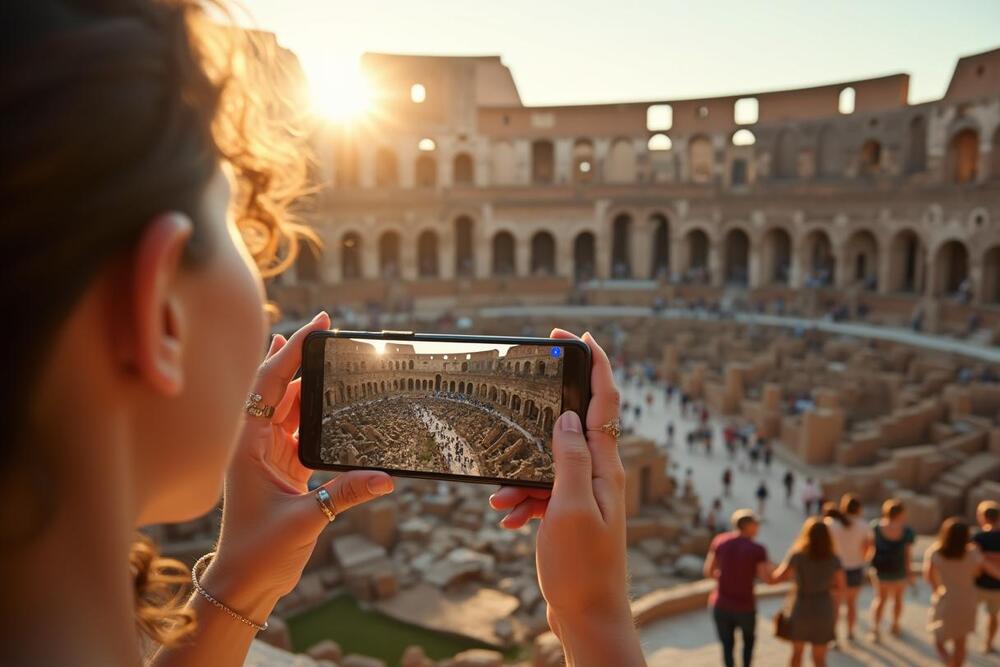
Sightseeing has traditionally relied on passive observation: visitors look at landmarks, read plaques, or listen to guided tours. AR changes this dynamic by providing contextual information in real time, overlaid directly onto what visitors are seeing. Imagine standing in front of the Colosseum in Rome and using your AR-enabled device to see a reconstruction of the arena as it appeared during ancient times, complete with animated gladiators and crowds. Instead of reading a brief history on a plaque, tourists can experience the past as a living, interactive story.
In cities around the world, AR is being used to enhance walking tours, providing interactive maps, historical insights, and hidden narratives. For example, some AR apps allow users to point their devices at buildings and streets, revealing historical photos, famous events, or cultural anecdotes that were once invisible to the naked eye. This layered approach to exploration transforms even familiar streets into rich, educational journeys.
Making Museums More Engaging
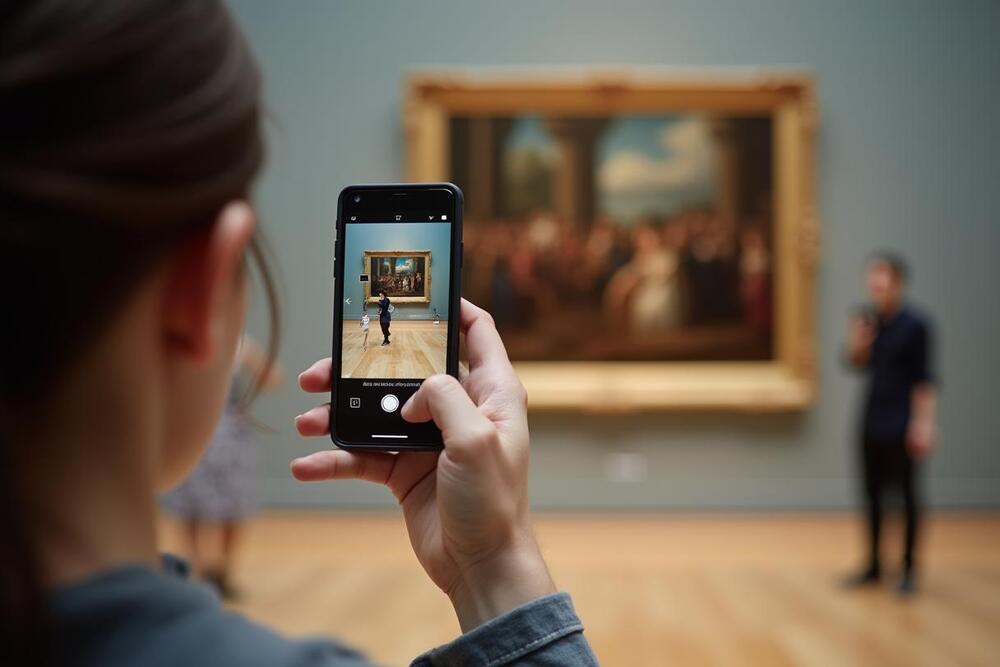
Museums, long criticized for being static and passive spaces, have been quick to embrace AR as a tool to engage visitors. Art exhibits, for instance, benefit enormously from AR. Users can scan paintings or sculptures to reveal hidden stories about the artist, the creation process, or the era. Some installations even animate figures within the artwork, allowing guests to witness historical events or the evolution of a masterpiece in real time.
Science and history museums are also seeing significant AR integration. Dinosaur skeletons can “come to life” with motion and sound, human anatomy can be visualized layer by layer, and ancient civilizations can be reconstructed as immersive dioramas. These interactive elements make complex information easier to understand and retain, while also encouraging repeated visits as museums can continually update AR content with new exhibits or discoveries.
AR for Accessibility and Inclusion
One of the most promising aspects of AR is its potential to make sightseeing and museums more accessible. Visitors with hearing impairments can access captioned narrations, while those with visual challenges can use haptic feedback or audio descriptions to engage with exhibits. AR also provides multilingual support, enabling tourists from around the globe to receive information in their native language instantly. This technology helps bridge communication gaps and makes cultural experiences more inclusive than ever before.
For example, a museum in Tokyo implemented AR guides in multiple languages, allowing international visitors to understand exhibit details without waiting for a guided tour. Similarly, AR city tours in London provide subtitles, voiceovers, and interactive cues for visitors with various accessibility needs, creating a more universal and welcoming experience.
Personalized and Interactive Learning
AR transforms sightseeing and museum visits into personalized experiences. Visitors can choose which elements they want to explore in detail, whether that’s architectural history, artistic techniques, or cultural anecdotes. Unlike static displays or generic guided tours, AR allows users to tailor their journey according to their interests and pace.
Interactive features such as quizzes, challenges, and gamified content encourage deeper engagement. For example, some AR apps transform museum visits into scavenger hunts, where visitors unlock hidden stories or gain rewards by exploring exhibits carefully. This blend of learning and play appeals to both younger audiences and adults, making cultural experiences more memorable and meaningful.
Blending Education with Entertainment
The real power of AR lies in its ability to combine education with entertainment. Historical events, complex scientific concepts, and artistic processes become tangible and interactive rather than abstract. In cities like Paris, AR apps allow tourists to walk through the streets of Montmartre and see digital overlays of famous painters at work in their original studios. Visitors can explore the Louvre using AR to visualize how art was created and moved over centuries, bringing stories behind iconic works to life.
Similarly, nature reserves and archaeological sites use AR to provide interactive storytelling that explains ecological systems, conservation efforts, or ancient settlements. This method transforms sightseeing into a fully immersive experience, blending physical exploration with digital storytelling for a richer, more compelling encounter.
Future Possibilities
The integration of AR in tourism and cultural spaces is still in its early stages, but the potential is staggering. As wearable devices such as smart glasses and AR contact lenses become more mainstream, visitors may no longer need smartphones to experience interactive tours. Imagine walking through a historic city while digital reconstructions, contextual stories, and real-time translations appear directly in your field of vision.
AR could also connect multiple sites into a global network of experiences, allowing users to track historical narratives or artistic evolutions across countries. Museums might offer dynamic content that responds to visitor behavior, creating exhibits that are never the same twice.
Augmented reality is transforming sightseeing and museum experiences in profound ways. It takes the passive act of observing and turns it into active engagement, blending education, entertainment, and accessibility. Travelers can explore cities and exhibits with newfound context, interactive storytelling, and personalized experiences, making every visit more memorable and enriching.
From historic landmarks to modern art museums, AR is bridging the gap between the physical and digital world, inviting visitors to step inside history, art, and culture in ways never possible before. For travelers seeking a deeper, more immersive way to experience the world, AR is not just a tool—it’s a gateway to seeing familiar places with entirely new eyes.