Middle Eastern Hospitality Traditions That Influence Modern Living
Zoe Chapman
2026-01-13
6 min read
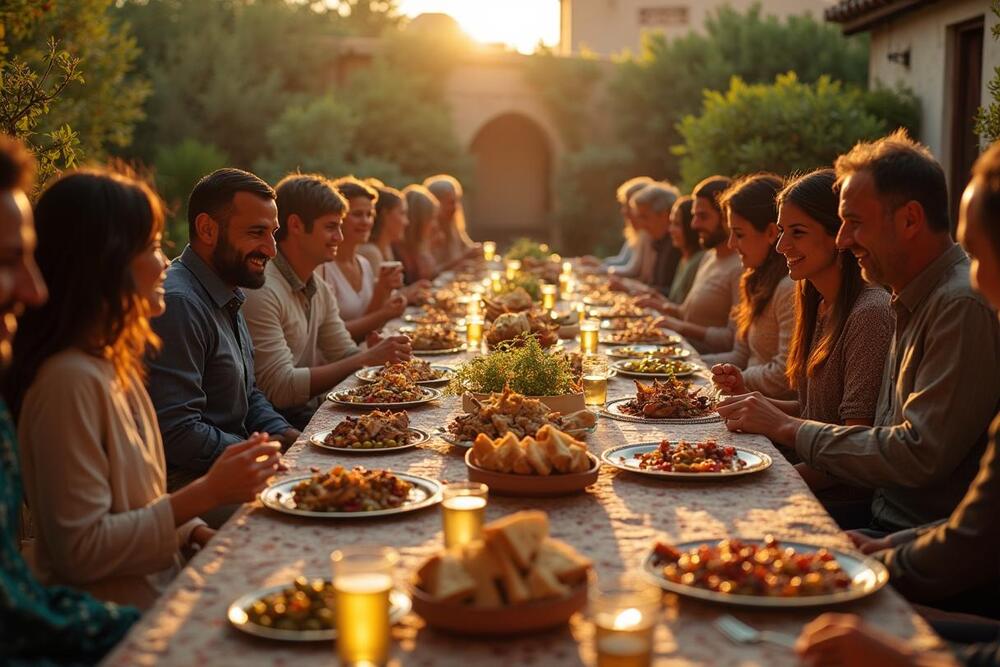
Hospitality is a cornerstone of Middle Eastern culture, woven into daily life, social interactions, and family dynamics. The region’s rich history, shaped by trade, religion, and tribal connections, has cultivated traditions that extend far beyond mere politeness. They are a way of life—practices that prioritize generosity, respect, and communal well-being. Interestingly, many of these ancient customs are increasingly influencing modern lifestyles around the world, offering lessons in connection, mindfulness, and the art of welcoming others.
The Centrality of Guests in Middle Eastern Culture
In many Middle Eastern countries, welcoming guests is not simply a social courtesy—it is a moral and cultural obligation. A common phrase across the region is “The guest is a gift from God,” reflecting the deep respect accorded to visitors. This mindset manifests in a variety of ways, from meticulously preparing meals to offering the best seating in the home. Guests are often greeted with warmth, beverages, and small gestures that signify care and attention to detail.
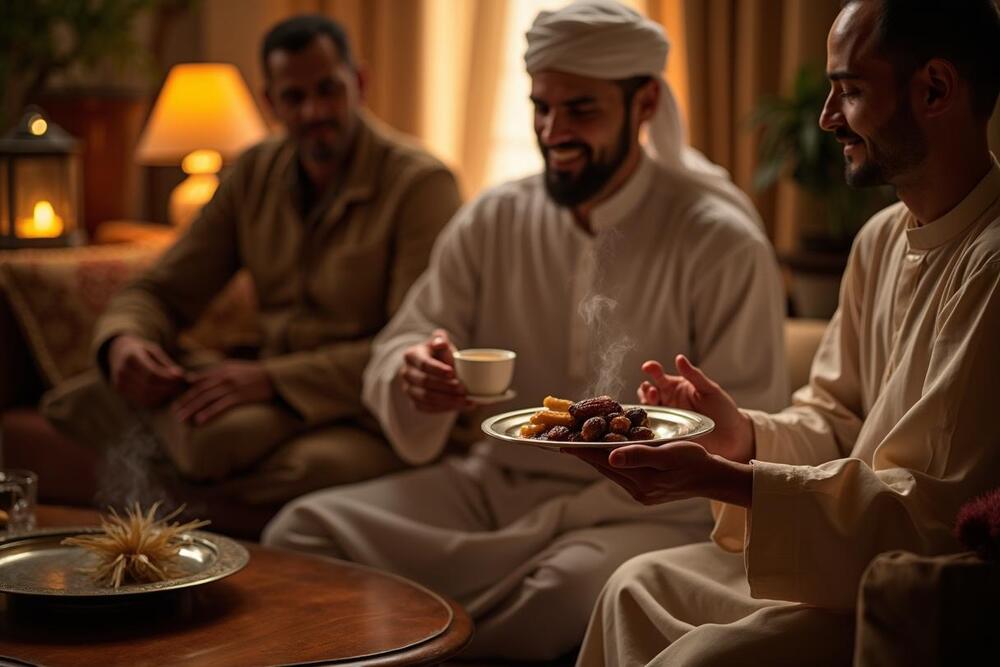
In modern contexts, this tradition has influenced hospitality industries globally. Luxury hotels, boutique stays, and even home-sharing platforms are adopting similar practices: personalized welcomes, curated guest experiences, and attentiveness to individual preferences. Middle Eastern traditions teach that small acts of generosity—like offering coffee or dates upon arrival—create meaningful, lasting impressions.
Generosity Through Food and Drink
One of the most visible expressions of Middle Eastern hospitality is the presentation of food. Lavish spreads, rich flavors, and a variety of options characterize the region’s approach to feeding guests. It is customary to insist that a visitor eat, sometimes multiple courses, as refusing can be seen as disrespectful. Traditional beverages, such as Arabic coffee or sweet tea, are offered continuously throughout a visit, demonstrating attentiveness and care.
This culinary generosity is inspiring contemporary lifestyles in multiple ways. Social gatherings around food have regained importance, particularly in urban areas where modern living often encourages rushed meals and minimal social interaction. Families and friends are prioritizing shared dining experiences, inspired by Middle Eastern practices that value the communal table as a site of connection. Restaurants and cafes worldwide are also drawing on this principle, emphasizing abundant, hospitable service that invites lingering and conversation.
Ceremony and Ritual in Everyday Hospitality
Hospitality in the Middle East often involves ritualized practices that carry symbolic meaning. For instance, guests may be welcomed with a specific greeting, offered a small gift, or invited to partake in ceremonial food preparation. These rituals reinforce respect, strengthen social bonds, and maintain continuity between generations.
Modern living benefits from this intentionality. In a fast-paced, digitally dominated world, introducing small rituals—such as greeting visitors warmly, preparing a small treat, or arranging a welcoming space—enhances personal and professional relationships. These acts signal attentiveness and appreciation, helping individuals foster deeper, more meaningful connections.
The Role of Space and Presentation
In Middle Eastern culture, the way a home is arranged reflects both status and hospitality. Clean, organized, and welcoming spaces demonstrate respect for guests. Traditional living rooms, often adorned with carpets, cushions, and ambient lighting, are designed to create comfort and encourage long conversations.
This attention to environment is increasingly influencing interior design trends worldwide. Modern homes, co-working spaces, and hospitality venues are incorporating elements that create warm, inviting atmospheres. Comfort, aesthetics, and practicality converge in designs that encourage connection, dialogue, and shared experiences, much like the traditional Middle Eastern living room.
Time and Presence as Gifts
Another fundamental aspect of Middle Eastern hospitality is the idea that hosting someone is not just about physical offerings but about giving time and attention. A host dedicates focus to the guest, creating a sense of importance and presence. Even in busy households, guests are treated as central figures, and conversations often flow unhurriedly, allowing bonds to deepen.
This philosophy is particularly relevant in modern life, where constant distractions often undermine interpersonal connections. The Middle Eastern approach reminds us that attention, active listening, and time spent together are as valuable as material offerings. Incorporating this principle can improve personal relationships, professional interactions, and even customer service experiences, where attentiveness creates loyalty and trust.
Influence on Contemporary Business and Social Norms
Middle Eastern hospitality traditions extend beyond homes and social gatherings—they have also influenced business etiquette and networking practices. In many parts of the region, establishing trust and rapport before formal negotiations is essential. Sharing food, drinks, and conversation sets the stage for deeper relationships, emphasizing mutual respect over transactional interactions.
Globally, companies are adopting similar approaches. Client hospitality, personalized experiences, and relationship-building strategies reflect lessons learned from these cultural practices. Social networking events and corporate gatherings increasingly incorporate communal meals and relaxed settings to foster genuine connections, mirroring the Middle Eastern model of trust and generosity.
Lessons for Modern Living
The core principles of Middle Eastern hospitality—generosity, attentiveness, ritual, and presence—offer lessons that are increasingly relevant today. In a world dominated by fast communication, digital connections, and individualism, these traditions emphasize slowing down, prioritizing meaningful interaction, and creating environments that nurture human connection. Incorporating these practices into daily life—whether through hosting friends, enhancing workspace culture, or simply showing consistent care in relationships—can profoundly impact personal satisfaction and social harmony.
From lavish meals and ceremonial rituals to the thoughtful use of space and time, these practices provide a blueprint for enhancing modern living. By embracing these principles, individuals and businesses alike can cultivate deeper connections, create memorable experiences, and elevate everyday interactions.
Incorporating elements of Middle Eastern hospitality into contemporary life reminds us that generosity of spirit, mindful presence, and the art of welcoming others are timeless values—ones that leave lasting impressions in a fast-paced, constantly changing world.