Outlet vs. Online: Where You Actually Save More on Designer Brands
Lila Rose
2025-12-12
6 min read
Scoring a deal on designer brands feels like a victory—especially when the original price is sky-high. But in 2025, shoppers looking for the best bargains face a familiar dilemma: Are outlet stores still worth the trip, or do online deals deliver better savings with far less effort?
Both options offer attractive discounts, but they operate very differently. Understanding where the true value lies can help you avoid overspending, skip pricing traps, and decide whether your next shopping day should involve a drive to the outlets or a scroll through your phone.
The Evolution of Outlet Shopping
Many shoppers still imagine outlet stores as the place where retailers send last season’s inventory or items with minor imperfections. While that used to be the case, modern outlets have changed dramatically. Today, many designer labels produce manufactured-for-outlet merchandise—items created specifically to sell at lower prices. These pieces often look similar to their full-price counterparts but use more affordable materials, simplified stitching, or fewer embellishments to cut costs.
This shift means that while you may still find authentic overstock pieces, much of what you see in outlet stores is not identical in quality to what you’d find in the brand’s flagship shops. The pricing may be lower, but so is the craftsmanship.
Even still, outlet centers remain popular because they provide a tactile experience: shoppers can try pieces on immediately, inspect construction up close, and enjoy the rush of discovering unexpected markdowns. For some, the environment itself—rows of stores, limited-time promotions, and face-to-face customer service—makes the trip worthwhile.
The Rise of Online Designer Discounting
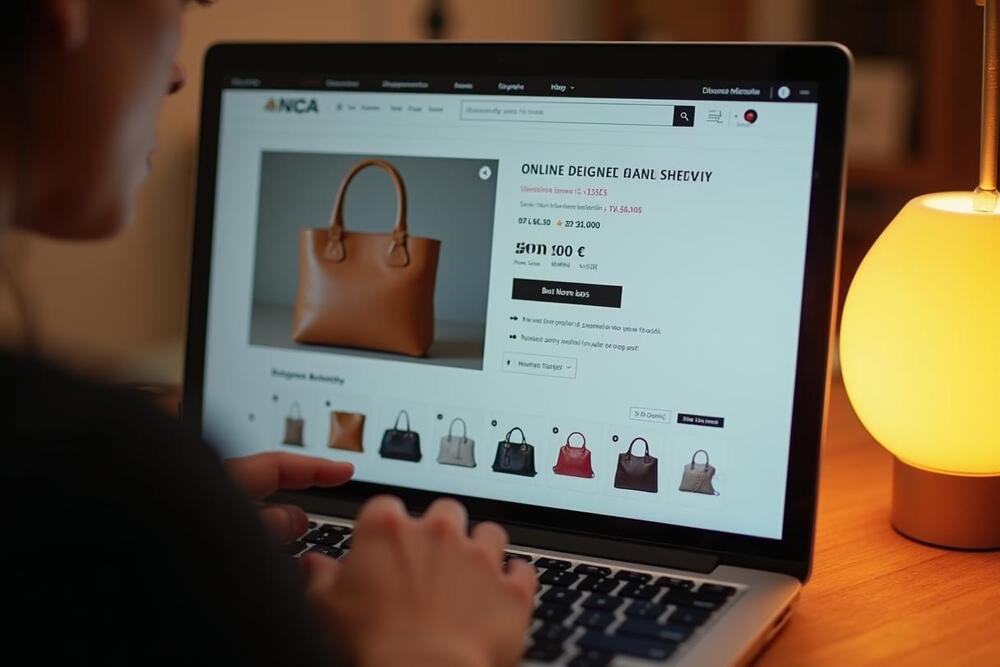
Online shopping, however, has become the new frontier for designer deals. Discount e-commerce platforms, brand websites, private online outlets, and app-only promotions have made it incredibly easy to get high-end fashion for less without leaving home. And to stay competitive, retailers increasingly offer exclusive online-only pricing that’s not available at physical locations.
Brands also turn to online channels to clear inventory faster because digital distribution is cheaper and more efficient. This means shoppers often get access to deeper price cuts, wider size ranges, and a much larger selection than any outlet can physically hold.
Another emerging trend is real-time price drops—dynamic markdowns online that change based on demand, stock levels, or time of day. Outlets rarely adjust prices this frequently, so online shoppers can often score the lowest numbers simply by monitoring items over several days.
Comparing Pricing Strategies
When determining where the best savings truly are, the key is understanding how each environment approaches pricing.
Outlet stores generally rely on a combination of reduced manufacturing costs and occasional promotional discounts. The base price is set lower from the beginning, and seasonal sales pile on extra savings. However, because many pieces are outlet-exclusive, comparing value to full-retail versions can be difficult.
Online platforms, in contrast, offer discounts in multiple layers—flash sales, promo codes, seasonal markdowns, loyalty points, and even algorithm-based offers. A designer handbag that starts at 25% off may suddenly jump to 40% off during a late-night promotion or double-discount event. These fluctuations give online buyers more opportunities to time their purchase strategically.
There’s also the matter of transparency. On outlets’ price tags, you'll often see a “compare at” price, which doesn’t always reflect the real retail cost. Online listings, especially those from reputable retailers, generally show the item’s original MSRP, making it easier to judge the true value of the discount.
Selection: What You’ll Actually Find
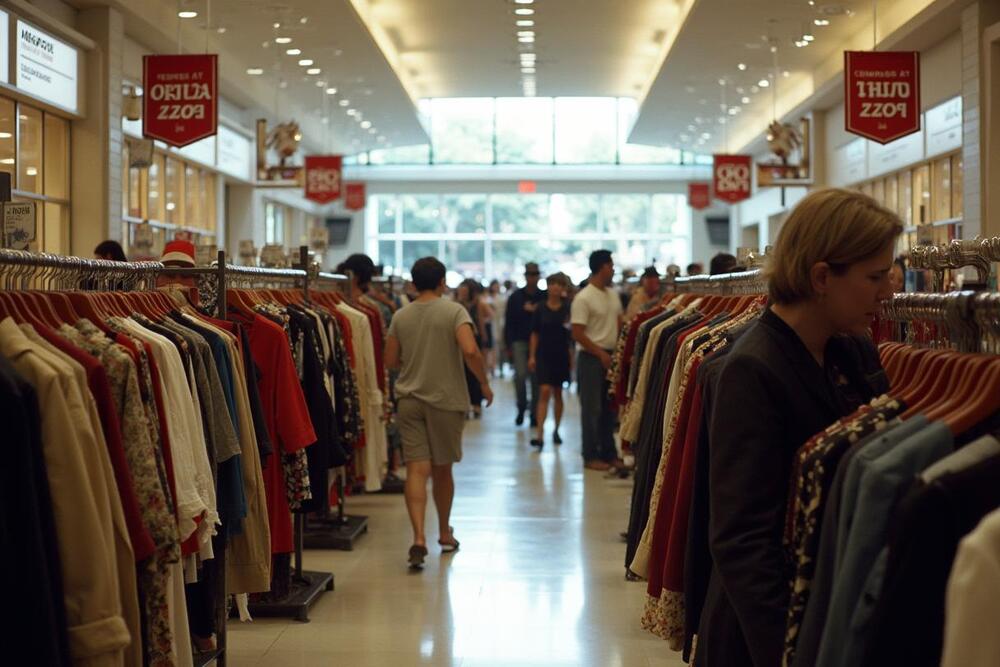
Selection is one of the biggest divides between outlet and online shopping. Outlets offer the thrill of browsing racks you didn’t expect to explore, but the assortment varies widely. Sizes may be limited, colors may be restricted, and you may need to visit multiple stores to find something you love.
Online inventory, however, is far more robust. Platforms can pull from multiple warehouses and update stock in real time. This means it’s common to find designer pieces in every size, several colorways, and even past-season originals that never made it to brick-and-mortar outlets.
Many designer brands also release online-exclusive capsule collections, so shoppers who prefer digital browsing may access more unique options than at any physical outlet.
Quality Considerations
One of the trickiest parts of comparing outlet vs. online deals is evaluating quality. When you're standing in an outlet store, you can physically examine a piece before purchasing it. You can check stitching, feel fabrics, inspect hardware, and compare two items side by side.
Online shopping removes that tactile experience—but in return, offers customer reviews, zoom features, detailed descriptions, and return policies that allow you to send back anything that doesn’t meet expectations. Some designer discount platforms even include condition ratings for pieces that are pre-owned or overstock, giving more transparency than an outlet tag might provide.
Ultimately, you get more clarity at outlets but more information online.
Returns and Convenience
Convenience is where online shopping wins effortlessly. No travel time, no lines, and no navigating crowded stores. The downside is waiting for shipping and the occasional return fee. Outlets let you purchase and walk away with your items immediately—but if parking is tough or the center is packed, the convenience factor fades quickly.
Return policies also differ. Outlets sometimes allow store credit only, while many online retailers provide hassle-free returns to your doorstep.
So, Where Do You Actually Save More?
If your main goal is the deepest discount possible, online platforms often deliver lower prices due to dynamic pricing, exclusive codes, and rapid inventory turnover. When timing your purchase strategically, you may land savings that beat outlet deals by a significant margin.
But if you value hands-on shopping, guaranteed authenticity, and examining craftsmanship in person, outlets offer intangible benefits and fewer surprises once you bring the item home.