Rural vs. City Lifestyles Worldwide: How Environment Shapes Identity and Routine
Riley Patel
2026-01-26
6 min read
The environment we live in profoundly influences how we structure our days, prioritize activities, and even perceive ourselves. Across the world, rural and urban lifestyles often present two very different ways of life, each with unique advantages, challenges, and cultural nuances. Understanding these differences not only provides insight into human behavior but also highlights how environment shapes identity, values, and daily routines.
The Pace of Life: Slow vs. Fast
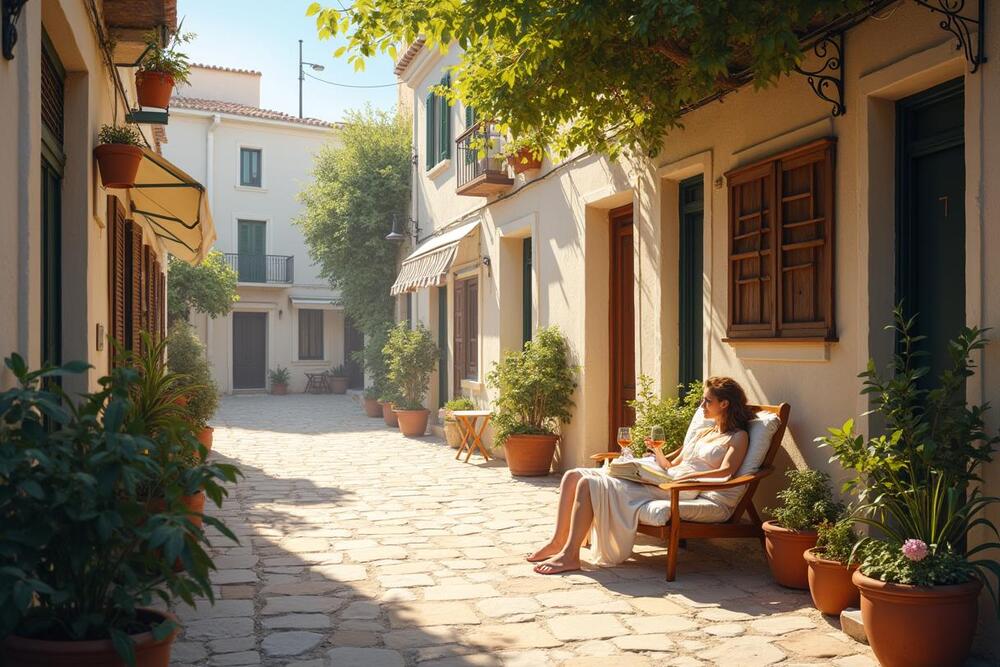
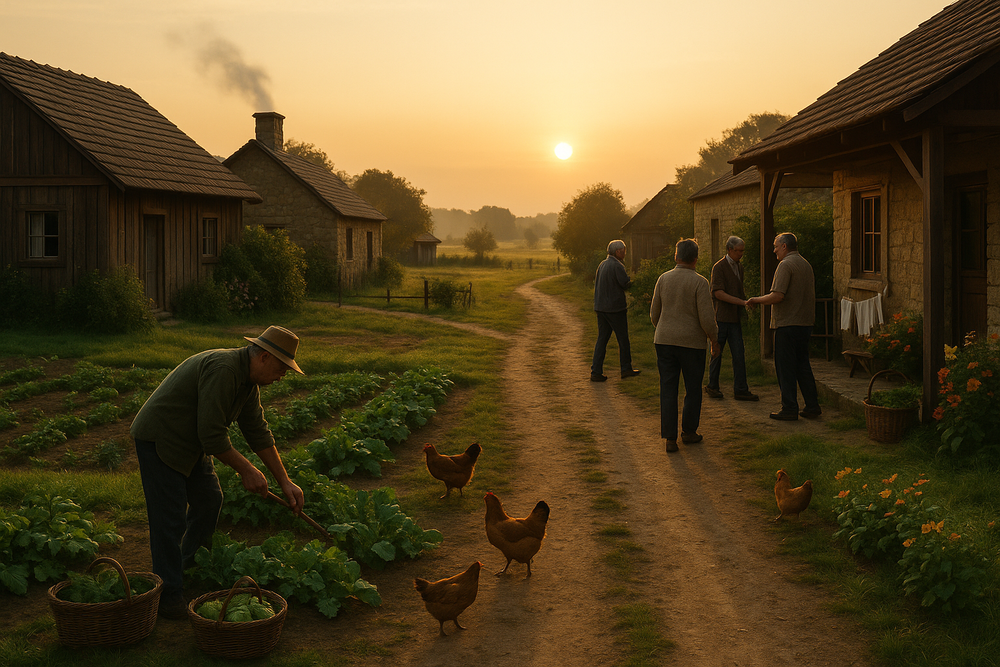
One of the most noticeable differences between rural and urban living is pace. Rural areas are generally associated with a slower, more deliberate rhythm of life. Communities in these regions often organize their days around natural cycles, such as sunrise and sunset, agricultural seasons, and local events. Tasks are approached methodically, and there is a strong focus on quality over speed. In rural France or parts of rural Japan, for example, daily routines include long meals, community interactions, and a measured approach to work that allows for reflection and connection.
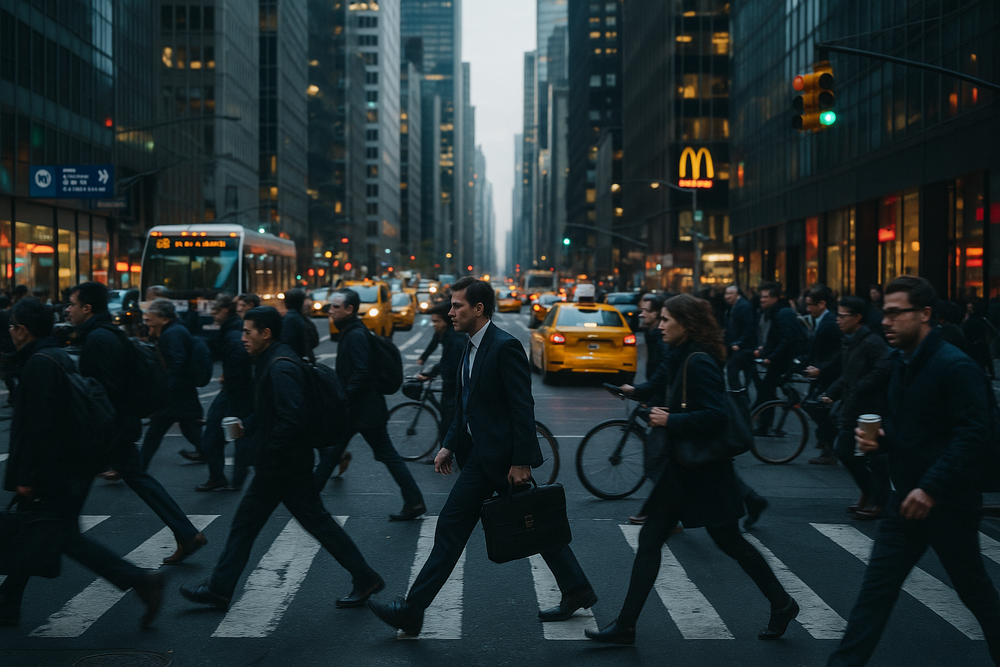
Cities, on the other hand, are characterized by speed and efficiency. In metropolitan centers like New York, Tokyo, or Mumbai, residents are often managing packed schedules, commuting across large distances, and responding rapidly to both professional and social obligations. The urban pace encourages multitasking, reliance on technology, and a heightened sense of urgency. This fast rhythm often shapes city dwellers’ identities as ambitious, adaptable, and highly networked individuals.
Community Connections and Social Identity
Rural communities tend to cultivate deep, long-lasting relationships. In small towns or villages, individuals often know most of their neighbors, and social networks are tightly knit. These connections shape identity in a profound way—people are defined not just by personal achievements but by their relationships within the community. Cultural traditions, local festivals, and cooperative work projects are integral parts of daily life. In rural Kenya or rural Italy, for example, identity is closely tied to family, extended kinship networks, and long-standing community customs.
Urban environments offer a different kind of social experience. Cities attract a diverse population from across the globe, providing opportunities to interact with people from various backgrounds. However, social connections can be more fluid and sometimes superficial. Urban residents often form multiple overlapping networks based on work, hobbies, or professional interests rather than shared lifelong history. This diversity fosters adaptability and tolerance but can also lead to a sense of anonymity or social isolation for some.
Routine and Daily Activities
The type of environment strongly dictates how people spend their days. Rural residents often incorporate physical labor and outdoor activity into their routines, whether it’s farming, tending to livestock, or managing a household garden. Daily tasks are typically aligned with natural rhythms and require hands-on engagement. Meal preparation may involve fresh, local ingredients, and free time often centers around hobbies, family interaction, and community involvement.
City dwellers tend to have routines that are structured around work schedules, commuting, and appointments. Physical activity may be less inherent to daily life, often requiring intentional exercise in gyms or urban parks. Meals are frequently consumed on the go, with fast-paced lifestyles driving the demand for convenience foods or takeout options. Cultural and leisure activities are more varied, with theaters, galleries, nightlife, and restaurants easily accessible, but participation can be limited by time constraints.
Health and Well-Being
Environment plays a key role in both physical and mental health. Rural lifestyles often promote well-being through closer contact with nature, lower pollution levels, and reduced noise, all of which can lower stress and improve quality of life. However, access to medical services may be limited, and rural residents might face challenges in specialized healthcare or emergency services.
Urban living offers immediate access to healthcare, fitness facilities, and cultural resources, but it comes with environmental stressors such as crowded public transport, air pollution, and constant noise. Mental health concerns like anxiety and stress can be more prevalent in cities due to the fast pace, high competition, and social pressure, despite the abundance of services and opportunities.
Economic Activities and Identity Formation
Economic structures differ between rural and urban environments, shaping not only lifestyle but also identity. Rural communities often depend on agriculture, artisanal crafts, or small-scale local businesses. Work is typically more directly connected to the land or community, creating a tangible sense of contribution and self-reliance. This connection to livelihood fosters a strong sense of purpose and rooted identity.
Urban economies are complex and diverse, with opportunities in technology, finance, service industries, and creative sectors. City dwellers often define themselves by career, skills, or social status. While this can enhance individuality and personal growth, it can also create pressure to achieve and perform continuously. Success and identity in cities are often measured externally—through income, professional recognition, or social visibility—rather than the intrinsic satisfaction of community contribution.
Cultural Expression and Leisure
Both rural and urban areas offer rich cultural expression, though in different forms. Rural communities preserve traditions, regional festivals, and folk art, which provide a sense of continuity and identity rooted in heritage. Activities like local fairs, craft workshops, and agricultural festivals are as much social as they are recreational, reinforcing communal bonds.
Urban centers, however, provide a dynamic cultural landscape with rapid innovation. Music, art, fashion, and entertainment evolve constantly, offering endless opportunities for exploration. City dwellers often curate personal identities through participation in these cultural spaces, attending events that align with personal interests rather than inherited tradition.
Rural life emphasizes community, connection to nature, and slow-paced routines, fostering strong social bonds and grounded identities. City living, by contrast, cultivates adaptability, ambition, and exposure to diverse experiences, often shaping individuals through external achievements and cultural engagement.
Neither lifestyle is inherently better; each offers unique benefits and challenges. Understanding these differences allows individuals to reflect on their own preferences, values, and goals, and perhaps find a balance between the tranquility of rural life and the energy of urban living. Ultimately, whether in the countryside or a bustling metropolis, environment profoundly influences who we are, how we live, and how we interact with the world around us.