Slow Living in Scandinavia: Why Simplicity and Nature Lead the Culture
Rowan Wallace
2026-01-28
6 min read

In a world that often glorifies hustle, constant connectivity, and multitasking, the concept of slow living can feel like a radical idea. Yet in Scandinavia, slow living isn’t just a trend—it’s woven into the fabric of everyday life. From the fjords of Norway to the forests of Sweden and the archipelagos of Finland, the region offers a lifestyle that balances work, leisure, and a deep connection to nature. For travelers and those seeking a healthier, more intentional approach to daily life, understanding Scandinavian slow living provides insight into how simplicity and nature can shape a fulfilled existence.
The Philosophy of Slow Living in Scandinavia
At its core, slow living is about mindfulness, presence, and prioritizing quality over quantity. In Scandinavia, this philosophy is expressed not through slogans or social media posts, but through daily practices. People value meaningful interactions, time spent outdoors, and a strong separation between work and personal life. Unlike cultures where overworking is a badge of honor, Scandinavians approach productivity with balance. Workdays are structured to allow time for rest, hobbies, and social connection, emphasizing that efficiency should not come at the cost of well-being.
The Scandinavian concept of lagom, a Swedish term meaning “just the right amount,” perfectly embodies this mindset. It encourages moderation and balance in all areas of life—whether it’s food, possessions, or work hours. Norwegians often speak of friluftsliv, or “open-air living,” highlighting the importance of spending time in nature for mental and physical health. Across the region, these philosophies influence urban planning, workplace norms, and family routines.
Nature as a Daily Necessity
One of the most distinctive aspects of Scandinavian slow living is the integration of nature into daily life. Forests, lakes, and coastal areas are not reserved for vacations—they are an essential part of daily existence. Families often spend weekends hiking, berry-picking, or skiing, while city dwellers might take advantage of parks, waterfronts, and bicycle paths to stay active. Even short walks in natural surroundings are seen as restorative, offering a break from digital screens and urban noise.
Many Scandinavian countries have embraced the concept of allemansrätten, or “everyman’s right,” which grants public access to private land for recreational purposes. This legal tradition allows residents and visitors alike to explore forests, camp by lakes, and experience nature freely and responsibly. The result is a culture that values simplicity, calm, and connection with the natural world as a baseline for mental health and social cohesion.
Minimalism and Thoughtful Consumption
Slow living in Scandinavia extends beyond how people spend their time—it also shapes consumer behavior. Minimalism is not merely aesthetic; it is practical and intentional. Households prioritize quality over quantity, investing in durable furniture, clothing, and household items that last decades rather than cheap products that are quickly discarded. The goal is not deprivation, but mindfulness: each purchase is considered carefully, reducing clutter, stress, and environmental impact.
Design is another key aspect. Scandinavian interior design emphasizes clean lines, natural materials, and functional spaces that promote calm and clarity. Homes are often uncluttered and bright, with natural light and indoor plants enhancing the sense of well-being. This attention to detail reflects a broader philosophy: that living simply and thoughtfully fosters clarity, creativity, and emotional balance.
Social Connections and Community Focus
While slow living emphasizes personal well-being, it is not synonymous with isolation. Social connection plays a central role in Scandinavian culture. Families, friends, and neighbors often gather for shared meals, communal activities, or outdoor adventures. There is a strong cultural emphasis on community support and equality, from workplace policies to education and healthcare.
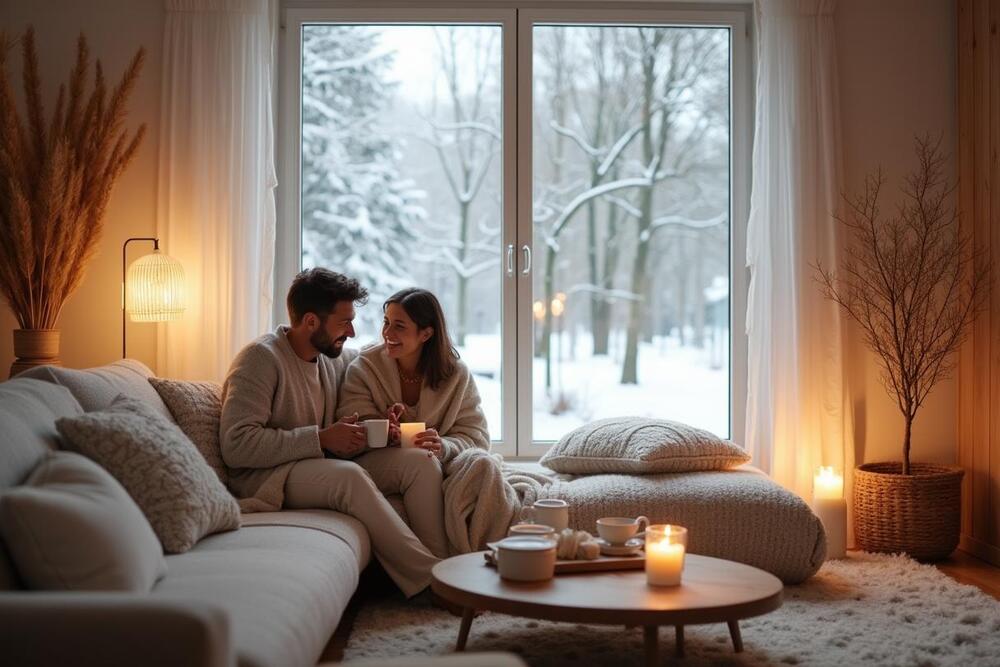
Hygge, a Danish concept akin to coziness and contentment, exemplifies how Scandinavian slow living intertwines social connection and comfort. Hygge moments often involve intimate gatherings, candlelight, and shared experiences that foster warmth, mindfulness, and appreciation of the present moment. Such practices show that slow living is as much about nurturing relationships as it is about personal reflection or nature.
Work-Life Balance as a Cultural Norm
Another cornerstone of Scandinavian slow living is the emphasis on work-life balance. In countries like Norway, Sweden, and Denmark, standard workweeks are shorter than in many other parts of the world, and parental leave policies are generous and widely used. Employers recognize that a well-rested, fulfilled employee is more productive and creative than one who is overworked.
This perspective extends to travel and leisure. Long vacations, frequent short breaks, and regular outdoor activities are considered essential, not indulgent. Even urban residents plan their schedules to include time for walking in parks, cycling to work, or weekend retreats to nature. By integrating balance into everyday life, Scandinavians avoid burnout and cultivate long-term health, happiness, and satisfaction.
Lessons for Travelers and Observers
Visitors to Scandinavia quickly notice the difference slow living makes. Cities feel calm despite modern infrastructure, public spaces are clean and welcoming, and people interact with politeness and patience. Travelers can learn valuable lessons by observing how the region balances efficiency with mindfulness. Taking time to slow down, enjoy nature, and savor simple pleasures can dramatically enhance travel experiences, making them richer and more memorable.
Even short visits can incorporate slow-living practices. Consider walking rather than rushing between destinations, enjoying meals in local cafes without checking emails, and taking time to notice natural beauty or small community rituals. These practices echo Scandinavian values and demonstrate that a slower, more intentional approach is universally beneficial.
Slow living in Scandinavia is more than a lifestyle choice—it is a cultural framework that prioritizes simplicity, nature, mindful consumption, social connection, and work-life balance. Whether it’s the Swedish philosophy of lagom, the Norwegian embrace of friluftsliv, or the Danish ritual of hygge, these practices illustrate how slowing down and living intentionally can foster health, happiness, and fulfillment. For travelers, adopting even a fraction of this mindset can transform not only a visit to the region but also everyday life at home. By slowing down, reconnecting with nature, and focusing on meaningful relationships, anyone can experience the restorative power of simplicity and the calm confidence that defines Scandinavian culture.