South American Community Culture: Why Neighbors Feel Like Family
Miles Russell
2026-01-17
6 min read
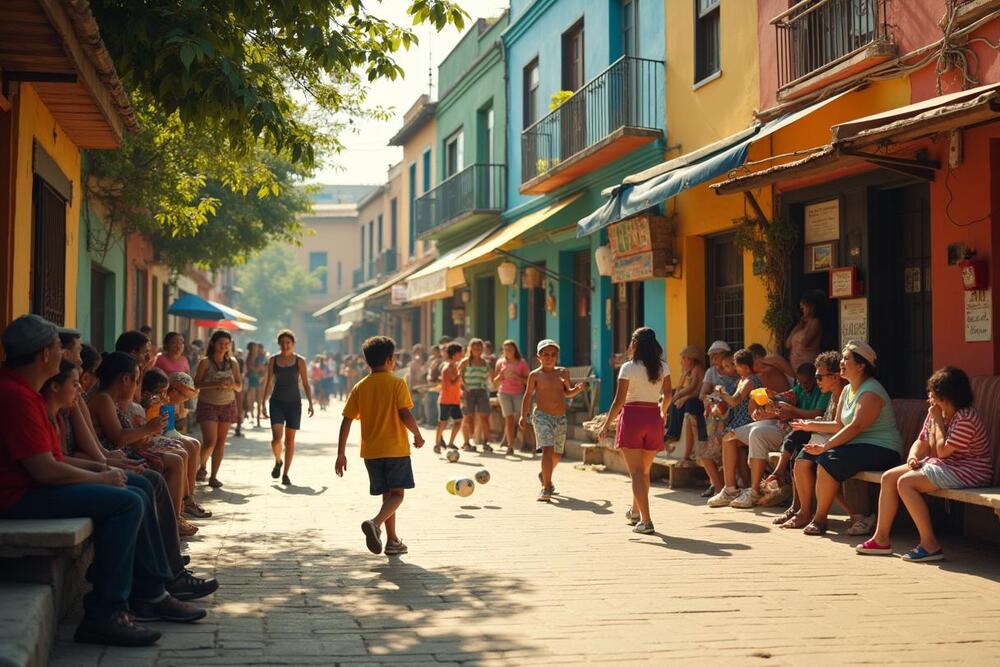
In much of South America, community life is more than a concept—it’s a way of being. Unlike in many urban centers around the world, where neighbors may barely know each other, in South America, social connections extend beyond family and close friends to include the entire neighborhood. The sense of belonging and mutual support that permeates daily life creates a culture in which neighbors are treated like extended family. Understanding this dynamic reveals why South American communities are uniquely resilient, warm, and deeply interconnected.
The Roots of Community Culture
Several factors contribute to the strong community bonds seen across South America. Historically, rural and urban settlements often relied on close cooperation for survival and prosperity. Families and neighbors worked together to cultivate land, protect property, and raise children. These traditions of collaboration and mutual aid continue today, shaping the way neighborhoods interact.
In addition, cultural norms emphasize interpersonal relationships over rigid formalities. Hospitality, sharing, and collective celebration are woven into daily routines, making it natural for neighbors to engage frequently and meaningfully with one another. Whether it’s sharing meals, exchanging favors, or celebrating milestones, the community becomes an extended support network that mirrors familial ties.
Daily Life and Neighborly Connections
In South America, the line between personal and communal life is often blurred, but in a positive way. Many neighborhoods feature open courtyards, plazas, and local markets, which naturally encourage social interaction. Children play together in streets or public parks while adults converse nearby, often exchanging news, offering advice, or providing assistance when needed.
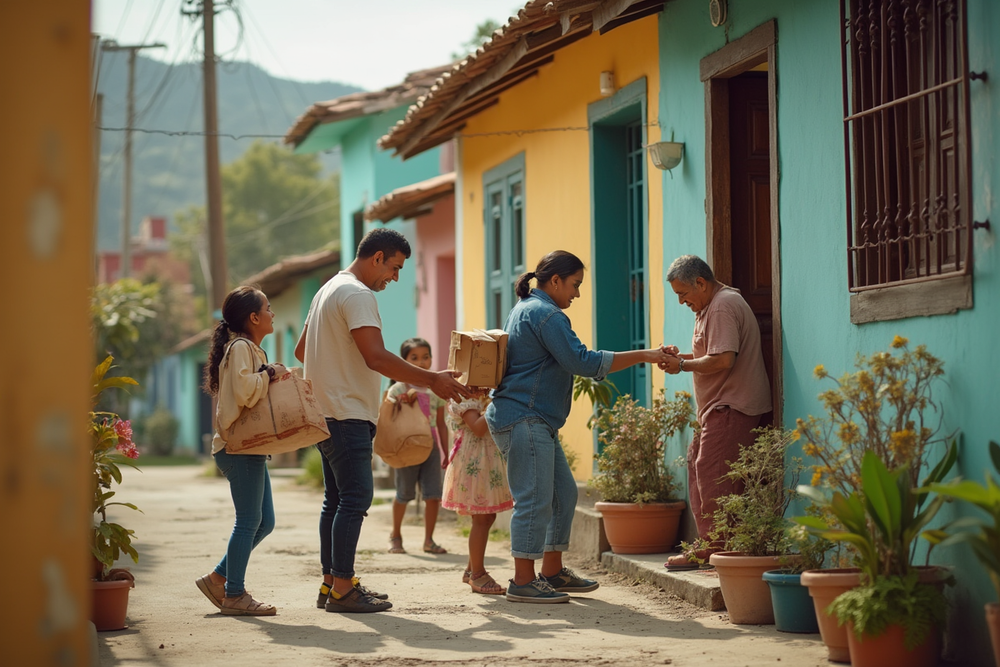
It’s common for neighbors to know each other’s schedules, preferences, and even challenges. Simple acts of kindness—borrowing ingredients, helping with repairs, or accompanying someone to a local event—reflect a culture where mutual care is expected rather than exceptional. These gestures, repeated over time, build trust and familiarity, creating a safety net that extends far beyond immediate family.
Celebrations as a Community Experience
Festivals and holidays highlight the communal spirit of South America. From Carnival in Brazil to Dia de los Muertos in parts of northern South America, celebrations are rarely solitary affairs. Streets fill with neighbors sharing food, music, and laughter. Traditional dances and rituals often involve entire communities, not just households, reinforcing the idea that social life is a shared experience.
Even smaller-scale celebrations, like birthdays or religious milestones, are often celebrated collectively. Neighbors frequently contribute food, decorations, or help organize events, making each gathering a shared memory and an opportunity to strengthen bonds. These moments cultivate a sense of belonging that persists beyond any single celebration, emphasizing continuity and interdependence within the neighborhood.
Mutual Support During Challenges
South American communities are particularly notable for their resilience and mutual aid during difficult times. Natural disasters, economic struggles, or family emergencies often bring neighbors together in ways that outsiders might find surprising. People organize fundraisers, share resources, or lend labor to help each other rebuild.
This culture of support is rooted in trust and shared values. Neighbors don’t just act as temporary helpers; they are considered an extension of family. This dynamic fosters not only emotional support but practical solutions to problems that might otherwise be insurmountable. It also reinforces a sense of accountability—people are more likely to invest in their community because they genuinely care for the individuals around them.
How Modernization Is Changing Community Life
While the communal spirit remains strong, urbanization and modernization have introduced challenges to traditional neighborhood life. In large metropolitan areas, high-rise apartments and fast-paced lifestyles sometimes make it harder to maintain close connections. Despite these challenges, many South American cities continue to find ways to preserve communal ties through local markets, community centers, and cultural events that bring neighbors together.
Technology also plays a role in sustaining relationships. WhatsApp groups, neighborhood forums, and social media networks allow residents to stay connected, coordinate support, and organize events. In essence, the medium may evolve, but the cultural emphasis on community remains.
Lessons from South American Neighborhoods
The South American approach to community offers valuable lessons for other parts of the world. Strong social ties improve mental health, reduce feelings of isolation, and create resilient support systems during crises. The emphasis on hospitality, shared responsibility, and mutual trust highlights the importance of building relationships intentionally, rather than focusing solely on individual achievement.
In addition, these communities show that proximity and daily interaction matter. Casual conversations, communal meals, and shared activities, even on a small scale, foster a sense of belonging that cannot be easily replicated by technology or transactional interactions. By embracing neighborly engagement, individuals experience both personal fulfillment and collective strength.
In South America, neighbors truly function as an extended family. From daily routines to festivals, from shared challenges to collective celebrations, the culture of community creates bonds that are deep, resilient, and meaningful. These neighborhoods demonstrate the profound impact of social connection on quality of life, offering a model for the rest of the world to consider. Whether you’re visiting, relocating, or simply curious about global lifestyles, observing and participating in South American community life is an enlightening experience. The warmth, generosity, and interconnectedness that define these neighborhoods remind us that the essence of belonging often extends beyond the walls of our own homes—sometimes, it lives just next door.
More Trending Articles


Mediterranean Balance: How Daily Routines Focus on Food, Family, and Rest
Sofia Rodriguez
2026-02-04