The Minimalist Approach in Japan: Living With Less, But Better
Piper Redding
2025-12-29
6 min read
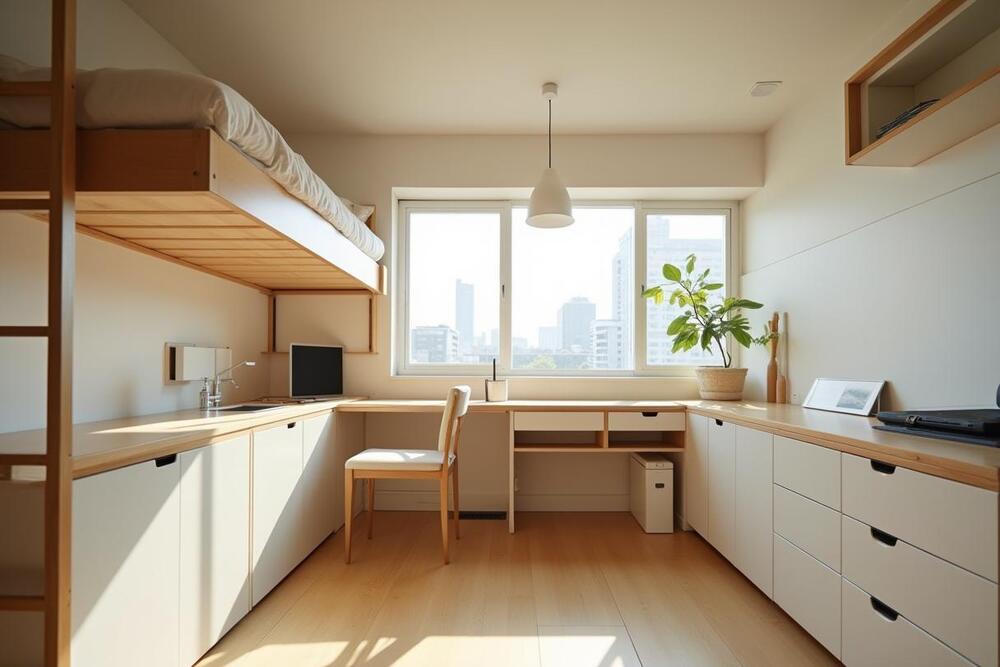
In a world dominated by consumerism and constant accumulation, Japan stands out as a country where minimalism isn’t just a design trend—it’s a deeply ingrained way of life. From the compact efficiency of urban apartments to centuries-old cultural practices, the Japanese approach to living emphasizes quality over quantity, intentionality over excess, and simplicity over clutter. This philosophy isn’t just about aesthetics; it shapes daily routines, values, and even mental well-being. For those curious about a lifestyle that balances functionality, beauty, and mindfulness, Japan offers lessons that are both practical and inspiring.
Roots of Minimalism in Japanese Culture
Japanese minimalism has deep historical and cultural roots. Influences can be traced to traditional Zen Buddhism, which emphasizes mindfulness, simplicity, and clarity of thought. This perspective encourages individuals to focus on what truly matters, removing distractions and unnecessary possessions that can cloud judgment or create stress. The concept of wabi-sabi—appreciating beauty in imperfection and transience—also reinforces minimalist principles, celebrating simplicity, natural materials, and the passage of time rather than the pursuit of perfection or excess.
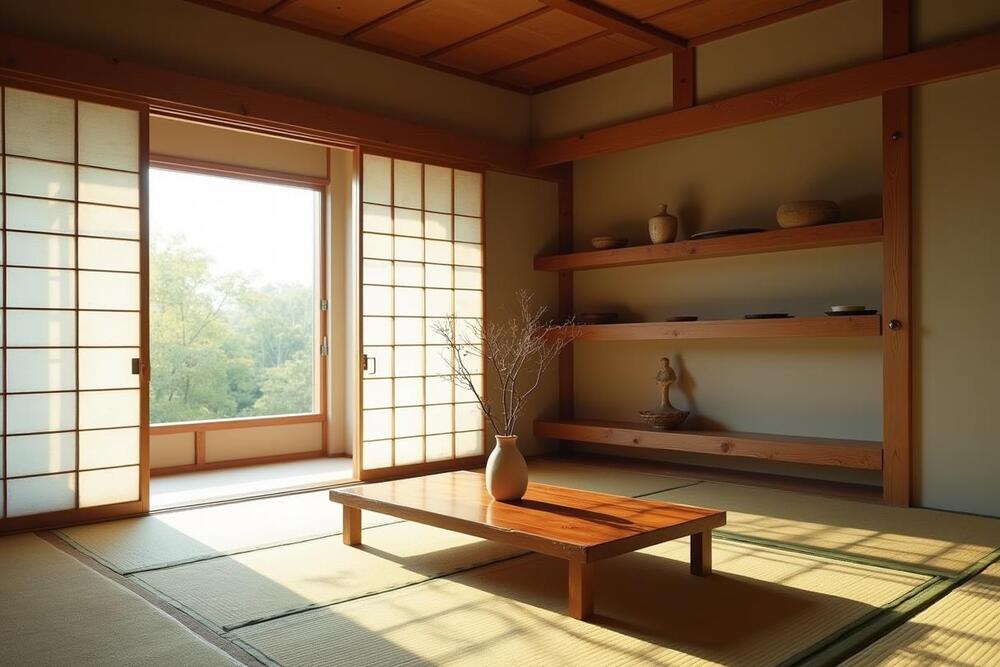
Even traditional Japanese homes reflect these values. Tatami rooms, sliding doors, and modular furniture create a flexible living environment that maximizes utility while maintaining a sense of calm and order. Every object has a purpose, and every space is designed to feel open and breathable, promoting a life free from clutter both physically and mentally.
Minimalism in Modern Japanese Homes
Modern urban living in Japan reinforces the minimalist approach. With space at a premium in cities like Tokyo and Osaka, apartments are often small, compact, and highly functional. Residents must prioritize what they bring into their homes, leading to conscious consumption habits. Multifunctional furniture, such as fold-out beds, storage-integrated seating, and modular shelving, is commonplace. Every item serves multiple purposes, and excess is discouraged.
Small spaces have also cultivated innovation. Japanese homes often feature smart storage solutions, carefully curated décor, and the philosophy of “less but better.” Residents tend to invest in high-quality essentials that last, rather than acquiring many items of lower durability. Minimalism here isn’t about deprivation—it’s about living intentionally, making thoughtful choices, and valuing the longevity and quality of possessions.
The Influence of Minimalism on Daily Life
Minimalism in Japan goes beyond physical spaces; it influences routines, work habits, and even social interactions. Daily practices, from meal preparation to commuting, reflect a focus on efficiency and purpose. For example, many people pack carefully considered lunches with only the essentials, emphasizing fresh ingredients and portion control rather than excessive convenience foods.
Public spaces, too, embody minimalist principles. Japanese train stations, streets, and even parks are organized, clean, and designed for efficiency. This environment encourages mindfulness and reduces sensory overload, allowing individuals to navigate their day with clarity. By valuing simplicity in both personal and communal spaces, minimalism supports mental well-being and reduces unnecessary stress.
Decluttering and the Philosophy of Danshari
In contemporary Japan, the philosophy of danshari—which loosely translates to “refuse, dispose, separate”—has gained widespread popularity. This approach encourages individuals to resist accumulating unnecessary items, to discard what doesn’t serve a purpose, and to separate oneself from excess. Unlike purely aesthetic decluttering methods, danshari emphasizes emotional and psychological clarity. By removing items that no longer bring value or joy, people can focus on what is essential, leading to a calmer, more intentional life.
This mindset extends to more than just possessions. Digital minimalism, simplified schedules, and selective social interactions are increasingly valued. The goal is not austerity for its own sake, but a lifestyle that prioritizes quality, meaningful experiences, and mindful consumption.
Minimalism and Work-Life Balance
Japanese minimalism also intersects with approaches to work and productivity. While Japan is often associated with long work hours, there is a growing awareness of the benefits of simplifying routines, prioritizing tasks, and reducing unnecessary obligations. Many professionals practice focused work sessions, intentional breaks, and minimalistic desk setups to reduce distractions. By maintaining a clutter-free environment, both physically and mentally, individuals can enhance focus, creativity, and overall well-being.
Minimalism encourages the elimination of the superfluous, whether that means unnecessary meetings, digital clutter, or physical objects. The philosophy supports a life that is manageable, intentional, and more in tune with personal goals and values.
How to Incorporate Japanese Minimalism into Your Life
Adopting a minimalist mindset inspired by Japan doesn’t require living in a tiny apartment or following rigid rules. Here are practical ways to embrace this approach:
- Evaluate Your Possessions: Prioritize items that bring value, joy, or utility. Consider quality over quantity.
- Simplify Your Space: Create flexible, functional areas that maximize movement and minimize clutter.
- Mindful Consumption: Be intentional with purchases—choose durable, meaningful items rather than impulsive acquisitions.
- Streamline Routines: Simplify daily schedules to focus on priorities and reduce unnecessary stress.
- Appreciate Simplicity: Seek beauty in everyday objects, natural materials, and minimalistic design.
By integrating these practices, anyone can experience the clarity, calm, and intentionality that Japanese minimalism offers.
Embracing minimalism, as practiced in Japan, has profound benefits. Physical clutter is reduced, freeing up space and improving organization. Mental clarity is enhanced, as fewer distractions allow for better focus and creativity. Financially, prioritizing quality over quantity often leads to smarter, more sustainable spending. Socially, minimalism encourages meaningful interactions rather than overcommitment. Ultimately, this lifestyle fosters a sense of calm, purpose, and appreciation for the essentials in life.
Minimalism in Japan isn’t just about having fewer things—it’s about valuing what truly matters and making deliberate choices that support a well-rounded, harmonious life. Living with less, but better, can transform your home, your routines, and even your mindset, creating a space where simplicity and intentionality lead to greater satisfaction and fulfillment.
More Trending Articles


Mediterranean Balance: How Daily Routines Focus on Food, Family, and Rest
Scarlett Brooks
2026-02-04

Smart Airports: The Rise of Biometric Check-In and Automated Border Control
Elijah Brooks
2026-02-01