The Urban Nomad Lifestyle in East Asia: High-Density Living With High Efficiency
Avery Hall
2026-01-20
6 min read
East Asia is home to some of the world’s most densely populated cities, from Tokyo and Seoul to Hong Kong and Singapore. These urban centers are often defined by towering skyscrapers, bustling streets, and an ever-present hum of activity. For many residents, life in these cities is characterized by what some sociologists and urban planners call the “urban nomad” lifestyle—a way of living that balances high mobility, compact living, and efficiency in both work and daily life.
Unlike traditional lifestyles, which may emphasize long-term homeownership or rural stability, the urban nomad lifestyle prioritizes flexibility, convenience, and optimized use of space. It reflects a deep integration of work, social activity, and urban infrastructure, shaped by both economic necessity and cultural adaptation.
High-Density Living: Making Space Work
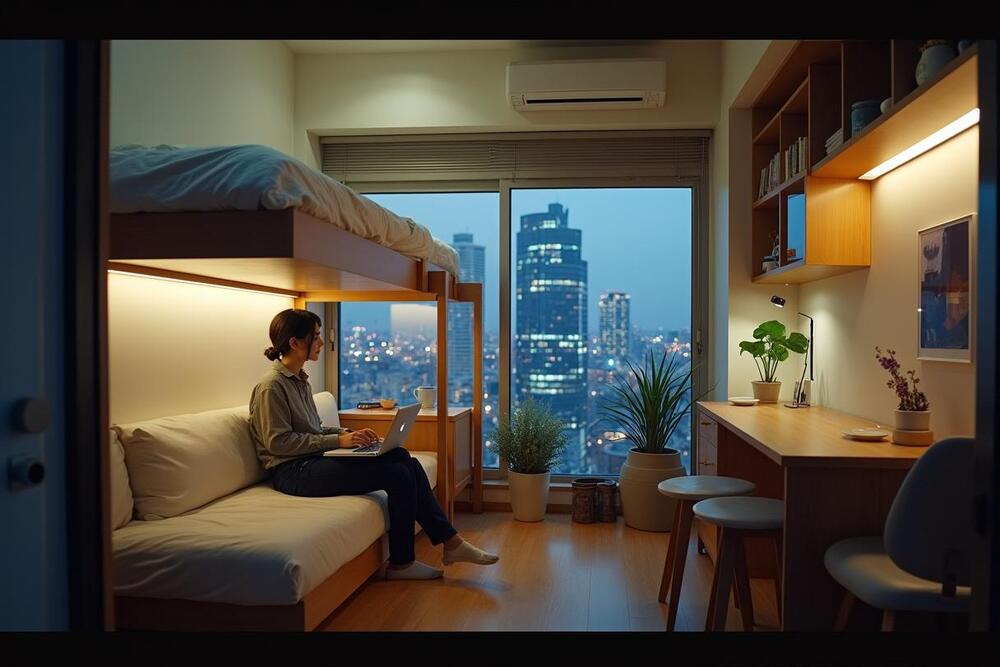
Living in a city where space is at a premium has fundamentally influenced the urban nomad lifestyle. Apartments are often small, with multi-functional furniture and efficient layouts that maximize every square foot. In Tokyo, for instance, micro-apartments as small as 200 square feet are not uncommon, yet residents adapt with clever design solutions such as lofted beds, foldable furniture, and modular storage systems.
In Hong Kong, co-living spaces have grown in popularity, particularly among younger professionals. These spaces combine private sleeping quarters with shared kitchens, lounges, and coworking areas, creating a sense of community while still respecting personal privacy. Singapore’s urban housing emphasizes vertical living, with skyscrapers providing integrated amenities like gyms, childcare facilities, and rooftop gardens. In all these environments, efficiency is not just about physical space—it extends to daily routines, commuting, and social engagement.
Mobility as a Core Value
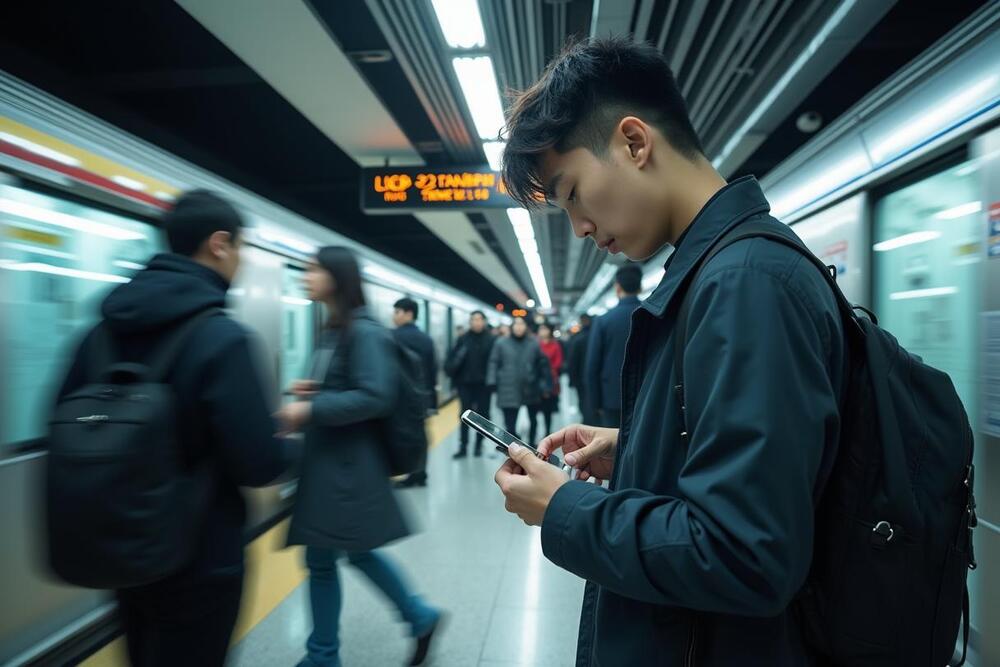
Urban nomads in East Asia often rely on public transportation and digital tools to navigate their dense cities. Efficient subway systems, high-speed trains, and bus networks make it possible to live further from work without compromising access to city amenities. In Seoul, the combination of an extensive metro network and real-time tracking apps allows residents to plan their commutes with precision, often integrating multiple modes of transportation seamlessly.
This mobility extends beyond daily commuting. Many urban nomads embrace flexible living arrangements, such as short-term rentals, co-living arrangements, and hotel-style apartments. The ability to move quickly and adapt to changing job opportunities or social needs is central to this lifestyle, fostering both independence and resilience in high-pressure urban environments.
Digital Integration and Efficiency
Technology plays a critical role in supporting the urban nomad lifestyle. East Asian cities are known for their smart city initiatives, and residents leverage apps and digital platforms for everything from grocery delivery to work meetings. In Tokyo, mobile apps allow residents to order meals, schedule laundry, and even manage household utilities remotely. In Seoul, payment apps, ride-hailing services, and AI-driven personal assistants streamline daily life, reducing the need for unnecessary travel or errands.
For many young professionals, this digital integration is not a luxury—it’s essential. It enables urban nomads to maximize productivity, save time, and focus on activities that improve quality of life rather than being consumed by repetitive tasks. Digital tools also support social engagement, allowing residents to find events, meet new people, and maintain an active lifestyle despite living in compact urban spaces.
Community in High-Density Environments
Contrary to stereotypes of urban isolation, high-density cities in East Asia often foster unique social networks. Co-living spaces, coworking hubs, and communal facilities encourage interaction and create micro-communities within the larger city. In Hong Kong, rooftop gardens and shared kitchens become social hubs where residents exchange ideas, collaborate on projects, and form lasting friendships.
Moreover, cultural practices in East Asia emphasize community responsibility and social harmony. Neighbors often help one another navigate the complexities of city life, from sharing resources to guiding newcomers. This communal aspect mitigates some of the challenges associated with high-density living, such as limited personal space and constant urban activity.
Balancing Work and Leisure
A defining feature of the urban nomad lifestyle is the way it blends professional and personal activities. Many East Asian cities are known for demanding work cultures, but urban nomads have learned to integrate leisure and wellness into their routines. Fitness centers, rooftop yoga sessions, and urban parks provide accessible opportunities to recharge. Cafes and cultural venues double as workspaces, allowing residents to maintain social and professional networks simultaneously.
The efficiency embedded in daily life encourages multitasking without sacrificing balance. Urban nomads plan routines that optimize commuting time, social engagement, and personal wellness, resulting in a lifestyle that is both intense and sustainable.
Challenges and Adaptations
Despite its advantages, the urban nomad lifestyle comes with challenges. High costs of living, noise pollution, and limited personal space can create stress. Many residents counter these issues by prioritizing minimalism, mindfulness, and thoughtful time management. The ability to adapt quickly to new living arrangements, adopt flexible routines, and embrace technology is crucial for maintaining mental and physical health in these environments.
Living in close quarters with limited resources pushes individuals to find innovative solutions—whether that’s maximizing apartment space, leveraging community resources, or creating efficient personal workflows.
The urban nomad lifestyle in East Asia represents a modern approach to city living, shaped by density, efficiency, and technological integration. It’s a lifestyle that values mobility, community, and adaptability while embracing innovation in every aspect of daily life. From Tokyo’s compact apartments to Hong Kong’s co-living hubs and Seoul’s digitally integrated routines, urban nomads demonstrate that high-density living doesn’t have to mean sacrifice—it can mean opportunity, creativity, and a deeply connected way of life.
As cities continue to grow and technology evolves, the urban nomad lifestyle is likely to influence not only East Asia but urban living worldwide. For those curious about how to live efficiently, socially, and flexibly in crowded environments, these cities provide a fascinating blueprint. It’s a lifestyle defined not by limitations, but by the ingenuity, adaptability, and resilience of the people who embrace it.