Wearable Tech for Travelers: From Navigation to Health Monitoring on the Go
Remi Patel
2025-12-21
6 min read
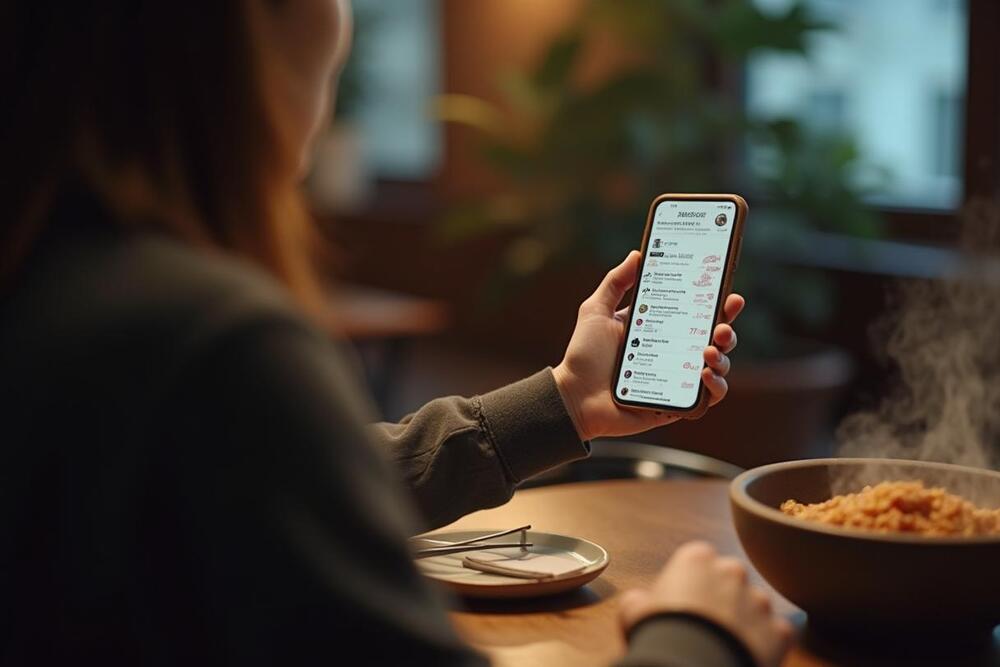
Traveling to a new country has always presented a set of unique challenges. One of the most common hurdles for tourists, business travelers, and expatriates alike is the language barrier. Ordering food, asking for directions, or negotiating a deal can become stressful experiences when communication is limited. However, advances in technology have transformed the way we approach language, making cross-cultural interactions smoother, more accurate, and almost instantaneous. At the forefront of this revolution are translation apps that operate in real time.
Translation apps are more than digital dictionaries—they are sophisticated platforms that combine artificial intelligence, machine learning, and natural language processing to facilitate meaningful communication. These apps allow users to translate spoken conversations, text messages, menus, signs, and even live video content, often in seconds. The result is a travel experience that is more accessible, immersive, and enjoyable, even in countries where you do not speak the native language.
The Evolution of Translation Technology
Early translation tools were simple and often unreliable. They relied on static dictionaries or phrasebooks that provided literal translations but lacked contextual understanding. Miscommunications were common, especially in nuanced situations involving idioms, slang, or cultural references. Today, AI-powered translation apps have revolutionized this landscape. Services like Google Translate, Microsoft Translator, and iTranslate leverage neural machine translation (NMT) to process language more fluidly. Unlike older systems, NMT analyzes entire sentences rather than word-for-word substitutions, producing translations that preserve meaning, tone, and context.
Moreover, modern apps learn from user interactions. The more they are used, the better they become at predicting accurate translations. This continuous improvement allows them to handle complex conversations, specialized vocabulary, and even regional dialects with increasing precision.
Real-Time Spoken Translations
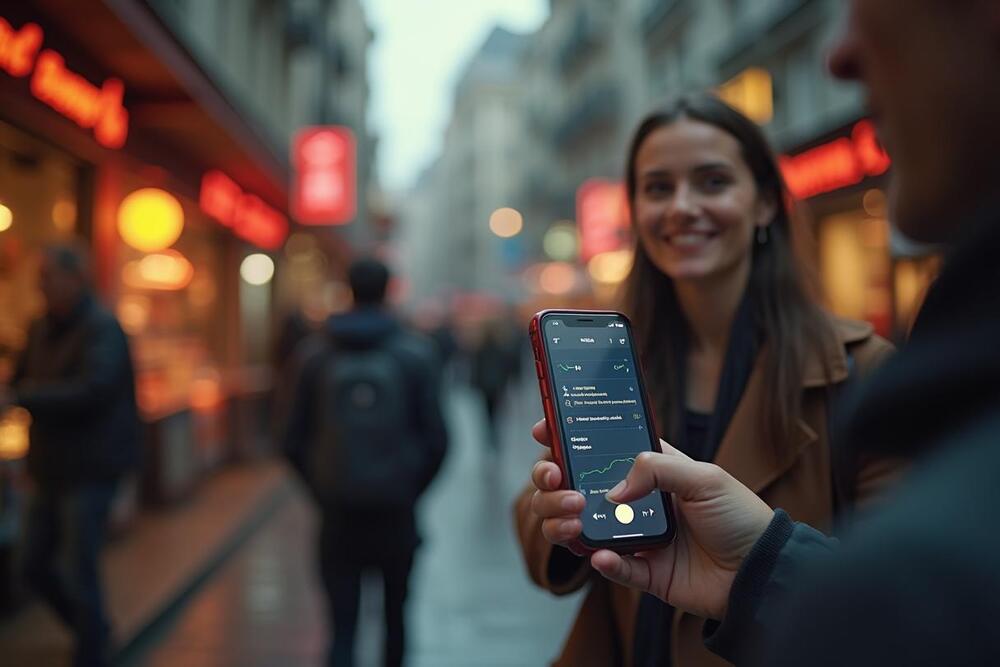
One of the most impactful developments in translation technology is real-time voice translation. Users can speak into their device in one language and have it immediately translated into another. This is particularly valuable in travel settings such as ordering at a restaurant, asking for directions, or making hotel arrangements. Some apps even allow two-way conversation modes, enabling a dialogue where both parties speak their native language while the app seamlessly translates back and forth.
This technology has profound implications for business travelers as well. Negotiations, presentations, and client meetings can occur with minimal language friction, making international collaboration far easier. Real-time translation reduces misunderstandings and fosters confidence, allowing travelers to focus on the interaction itself rather than the stress of language limitations.
Text and Image Translation
Translation apps are not limited to spoken conversations. Text recognition and image translation features enable travelers to understand printed content, signage, menus, and documents instantly. For example, a traveler in Japan can use a smartphone camera to scan a menu and view a translation in their preferred language. This capability removes uncertainty, reduces reliance on tour guides, and opens up opportunities for more authentic local experiences.
Augmented reality (AR) features in some apps further enhance this functionality. Users can point their device at signs, store labels, or public transportation information and see real-time translations overlaid on the live image. This immersive approach transforms navigation and interaction in foreign environments, making travel more intuitive and less intimidating.
Cultural Sensitivity and Contextual Awareness
A critical advantage of modern translation apps is their ability to consider cultural context. Language is not merely a collection of words; it reflects social norms, etiquette, and regional nuances. Many apps now incorporate context-aware algorithms that adjust translations to suit cultural norms, helping users avoid inadvertently offensive or awkward phrasing. This sensitivity is especially important in business or formal settings, where miscommunication can have professional or social consequences.
Challenges and Limitations
Despite remarkable advancements, translation apps are not flawless. Complex idioms, humor, and highly technical language can still pose difficulties. Connectivity is also a factor; while offline translation modes exist, their vocabulary and accuracy are often limited compared to online functionality. Additionally, voice recognition may struggle in noisy environments or with strong regional accents. Users must approach these tools as highly capable aids rather than perfect substitutes for language learning.
The Impact on Travel and Global Communication
The real-time capabilities of translation apps are transforming how people experience travel. Solo travelers can explore more confidently, navigating unfamiliar cities without fear of miscommunication. Tourists gain access to deeper cultural interactions, such as conversing with locals in their native language or understanding nuanced cultural signage. Business travelers can expand their professional networks globally with minimal linguistic friction, improving both efficiency and outcomes.
Moreover, translation apps contribute to inclusivity by bridging gaps for individuals with varying levels of language proficiency. Families, students, and expatriates benefit from smoother integration into new environments, fostering connections that might otherwise be hindered by language barriers.
Looking Ahead: The Future of Real-Time Translation
The future of translation technology is promising. We can anticipate increasingly accurate and natural translations as AI models continue to improve. Emerging features may include even more sophisticated voice recognition, emotion detection, and context-based translation tailored to specific industries or social settings. Integration with wearable technology, smart glasses, and augmented reality platforms may eventually allow travelers to communicate in real time without holding a device, further blending digital assistance with everyday interactions.
Ultimately, real-time translation apps are redefining global communication. They reduce friction, enhance cultural understanding, and empower travelers to engage more fully with the world. While learning a new language remains valuable and rewarding, technology ensures that language will no longer be an insurmountable barrier for modern explorers.
Translation apps are no longer simple digital tools—they are sophisticated travel companions that enable real-time, cross-cultural communication. From spoken conversations to printed menus and AR overlays, these apps help travelers interact confidently, explore authentically, and connect meaningfully across languages. As technology continues to evolve, the possibilities for effortless, inclusive communication will expand even further, making global travel more accessible than ever before.
For anyone who loves to explore new countries, meet locals, or conduct business internationally, leveraging real-time translation apps is now a game-changer you truly can’t afford to ignore.